In the early 1990’s, Capcom was riding high with successful different franchises and IPs that became synonymous with their brand.
Street Fighter II helped revolutionize arcades and build the fighting game genre we know today, and the Mega Man series helped propel side-scrolling adventure games into the forefront.
Towards the end of that decade, the company looked for their next big series, and initially they tapped Tokuro Fujiwara to create a game similar to his 1989 role-playing game, Sweet Home.

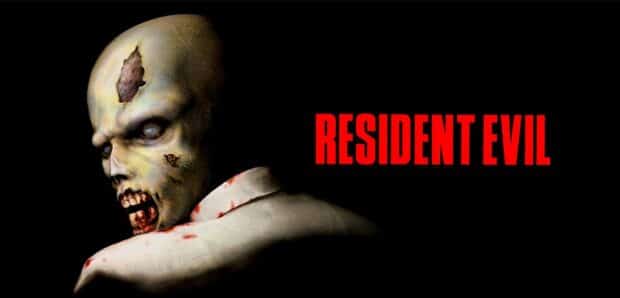
The World of Survival Horror Begins
Enter Resident Evil, a game that was commissioned to then rising video game designer Shinji Mikami and better known in its native Japan as Biohazard.
The game would take heavy inspiration from American horror films such as The Shining and George A. Romero’s Night of the Living Dead, and would be set in a mansion located in the outskirts of a fictional midwestern town called Raccoon City.
The game would coin the term “Survival Horror” and would follow two elite police operatives as they try to escape a zombie-infested mansion.
Released for the original PlayStation in 1996, Resident Evil is often regarded as one of the most influential games ever made, and for its time would push the boundaries of what three dimensional gaming could achieve.
Initially conceptualized as a first person shooting game, Mikami and his team would turn it into a third-person perspective game with pre-rendered backgrounds and fixed camera angles.
Players can choose one of two playable characters in Chris Redfield and Jill Valentine, and each have their own unique playthroughs and advantages that added replay value to the game.


Following its release in Japan and later in North America and other western territories, the future franchise would become a critical and commercial success almost overnight.
Its popularity would bring a rerelease in Resident Evil: Director’s Cut that would mix up item locations and add some new twists to the game, and eventually Capcom started releasing several sequels, spin-offs, and remakes that would turn the series into a multimedia franchise.
Some of the most noteworthy titles released would be Resident Evil 2 (1998), Resident Evil 3: Nemesis (1999), Resident Evil: Code: Veronica, Resident Evil Remake (2002), Resident Evil 4, RE5, the remakes of Resident Evil 2 and 4, and newer titles like Biohazard, Resident Evil Village, and this year’s Resident Evil Requiem.
The franchise would help inspire the next generation of horror games and bring zombies back into pop culture significance. Other video game companies would try to replicate its success and start their own IPs, with Konami creating the Silent Hill series and SEGA taking the light gun game concept and starting The House of the Dead franchise.

Honoring 30 Years of Survival Horror
To celebrate three decades of Survival Horror Capcom has extended a number of opportunities and events for Resident Evil fans to participate and engage in.
READ: Review: Resident Evil Requiem: A love letter to Capcom’s Survival Horror franchise
A large-scale exhibition called “The World of Biohazard” will begin later this year, showing the history of the franchise. Also, fans who have purchased and finished Resident Evil Requiem can also look forward to more updates as well, with executive producer Jun Takeuchi thanking fans for helping the game reach over six million sales and promising that more downloadable content such as new mini games and future story expansion.
The future looks bright for Resident Evil as Survival Horror continues to evolve and is clearly here to stay. Happy 30th Anniversary!