
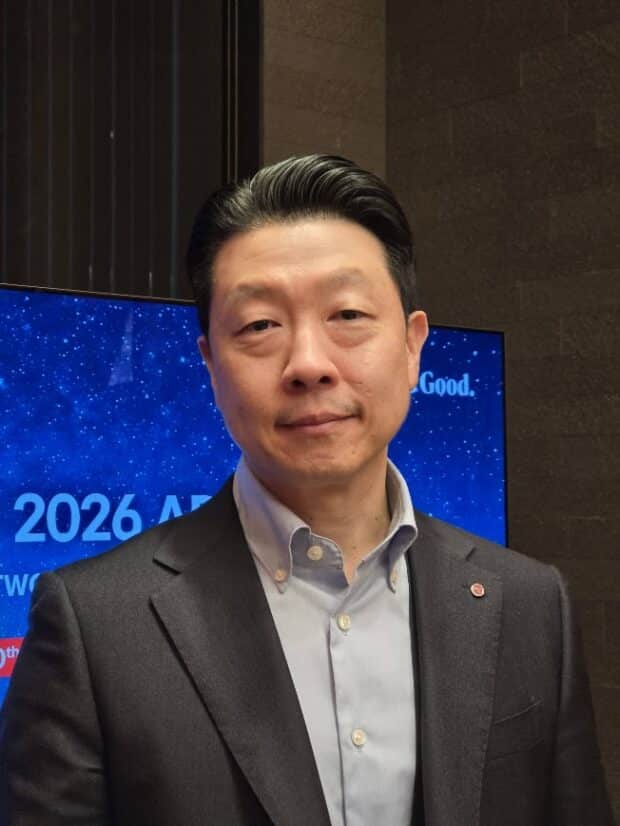
It was a term I haven’t heard before, yet uttered by LG’s Sunghan Kim when I got the chance to talk to him up close. Kim leads the sales and marketing for the Home Appliance Solutions division in Asian markets.
“What do you think of the term K-Tech?”, he asked.
“Oh?” I had never heard of it before..

I did a quick Google search, multitasking as I right beside him while someone else was talking to him, and a lot of the references to this term led to a company by the same name (also in Korea) but it seems that South Korea wants to further capitalize on the K-Wave with tech having a particular signature. Companies like LG (our host), Samsung, Hyundai, and Kia have solidified their global reputation as the choice for quality. Throughout the LG Innofest, execs were not shy to mention the existential duality of their C-brand competitors – cheaper but aggressive. “But what of quality?” They would retort.
The global market has shifted. Where once technology was Western-centric with companies like Dell, HP, and Motorola, the movement is now in the supply chains of Asia, mostly dominated by Chinese OEMs that have turned into powerhouses. But there’s a third option, nuanced in both geopolitical and cultural push and pull, with South Korea’s soft power in pop culture making brands like LG and Samsung very palatable.
Do your appliances need AI?
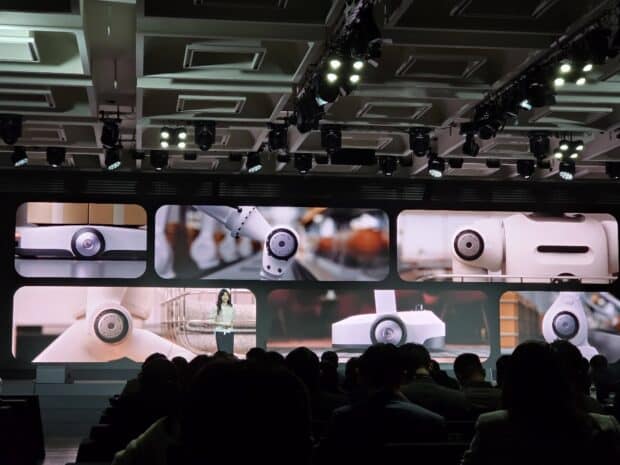
It was my first time attending Innofest for LG and I was really enlightened with new products that they will unveil, most making their way to the Philippines this year. AI is front and center of course, and it’s a question of how to make AI a meaningful proposition in your living room or kitchen. LG made a huge gamble leaving the visibility of the smartphone market to focus on consumer appliances and it seems this strategy has paid off with a number of industry decisions for products across all of Asia.
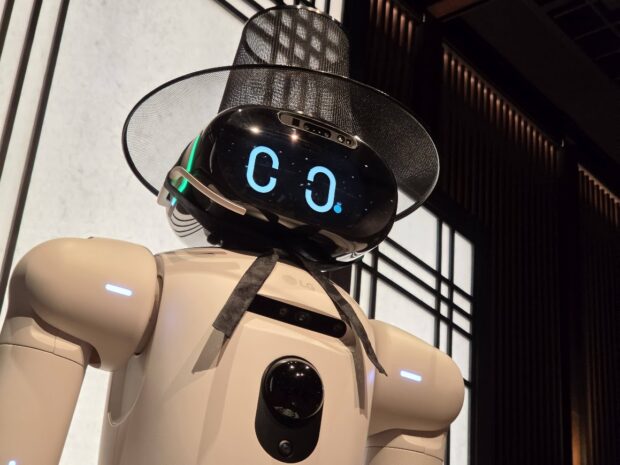
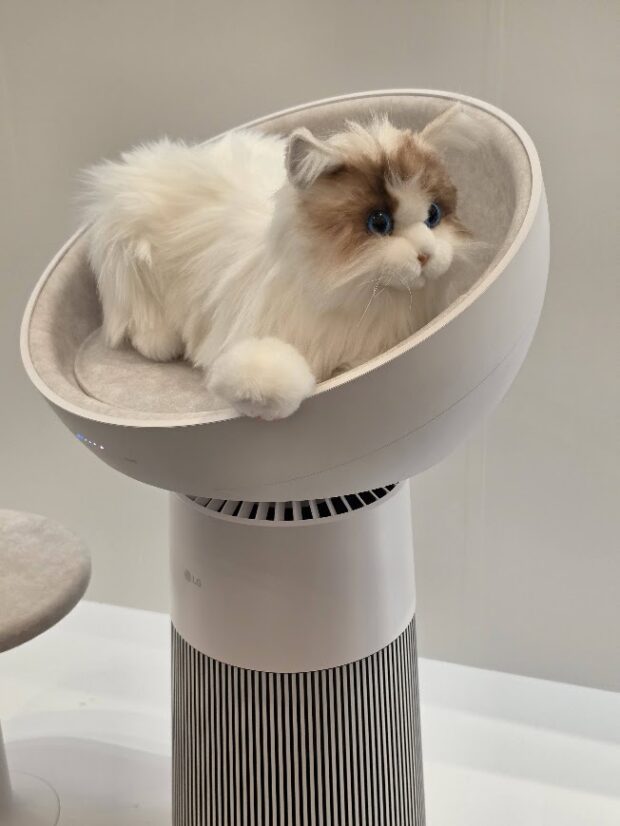
At this 2026 LG Innofest I got to see an oven with a camera built inside so you can watch a live stream and record a timelapse of your rotisserie chicken. I saw a robot major-domo that can move around your home, unpause the washing machine, and fold clothes. I got to see a cabinet styler that can shake debris off like a poltergeist-occupied home.
What a time to be alive. But also, do we need these AI appliances?
Yes. No? It depends. It’s a difficult, all-encompassing question to ask. But maybe best if reframed as “when does AI make my appliance worth the purchase””
As the appliance showcase was focused for the ASEAN market there were some market considerations. I learned that for the Philippines, inverter refrigerators tend to be the norm to save on higher electricity costs. These newer inverters are actually AI-powered with LG’s ‘Core AI Tech’ into their premium line of refrigerators. The AI is invisible. It monitors usage and cooling patterns to help save electricity. This is vastly different from Indonesia, where non-inverter refrigerators are still widely available as the market prefers to buy cheaper off the shelf.
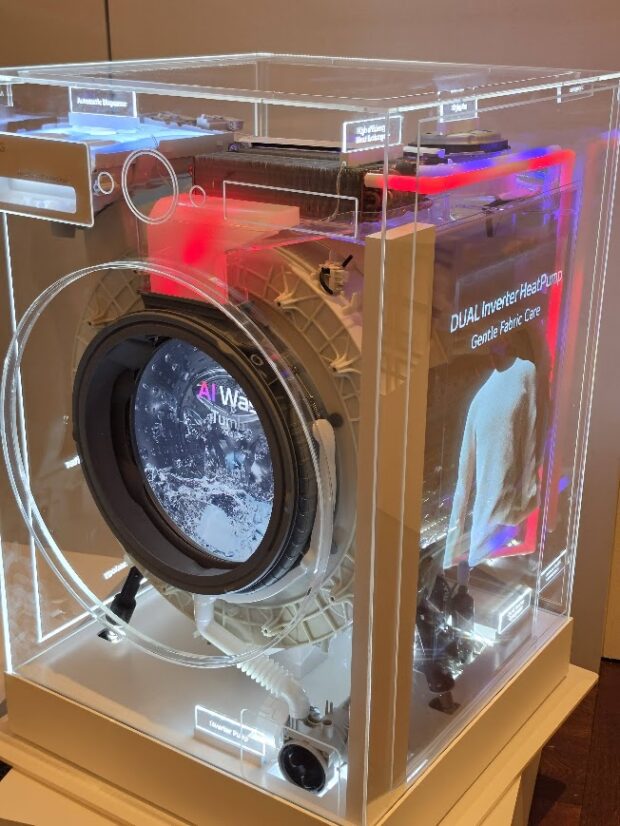
K-TECH isn’t just about AI, but saving space. If you live in a sprawling suburban multi-story home, shaving two inches off a washing machine’s width means absolutely nothing to you. But if you live in a high-rise condo in Manila, Singapore, or Bangkok, you know the physical tension of trying to wedge an appliance into a closet-sized utility room while still leaving enough clearance to close the door. The real luxury in 2026 is the return of your floor space.
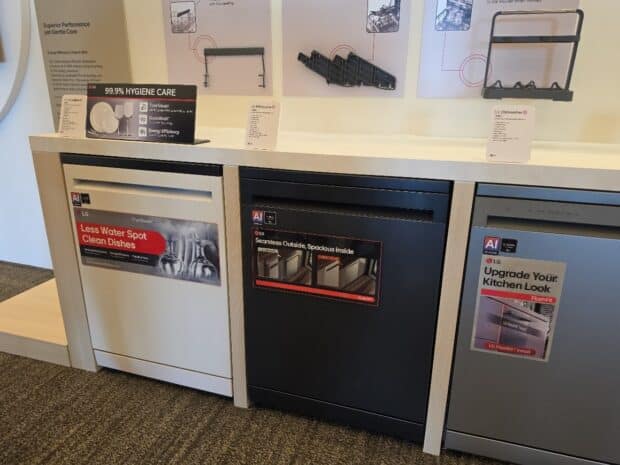
LG’s new Fit & Max refrigerators introduce a Zero Clearance Hinge. This is a subtle engineering marvel. Normally, pushing a fridge flush against a side wall means you can’t open the door fully without denting your drywall or blocking the crisper drawer. The new hinge mechanics completely eliminate that dead zone. You get a seamless, built-in cabinetry look without paying for a custom contractor.
But perhaps the most significant shift isn’t the hardware itself; it’s how we acquire it. LG Subscribe is expanding to more urbanized Asian markets like Singapore, Vietnam, and Malaysia. This model flips the traditional appliance meta. Instead of dropping a massive upfront capital expenditure, you pay a flexible subscription that includes comprehensive product care. If you are a young professional or a renter who doesn’t want the heavy financial commitment of a ten-year hardware lifecycle, this smooths out your cash flow and mitigates maintenance risks entirely.
We need to talk about WebOS
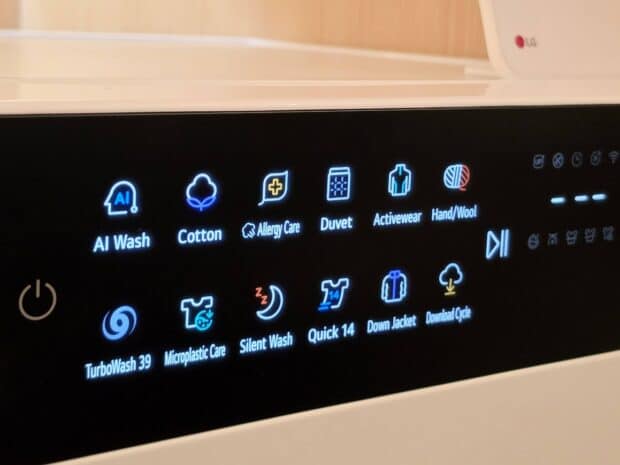
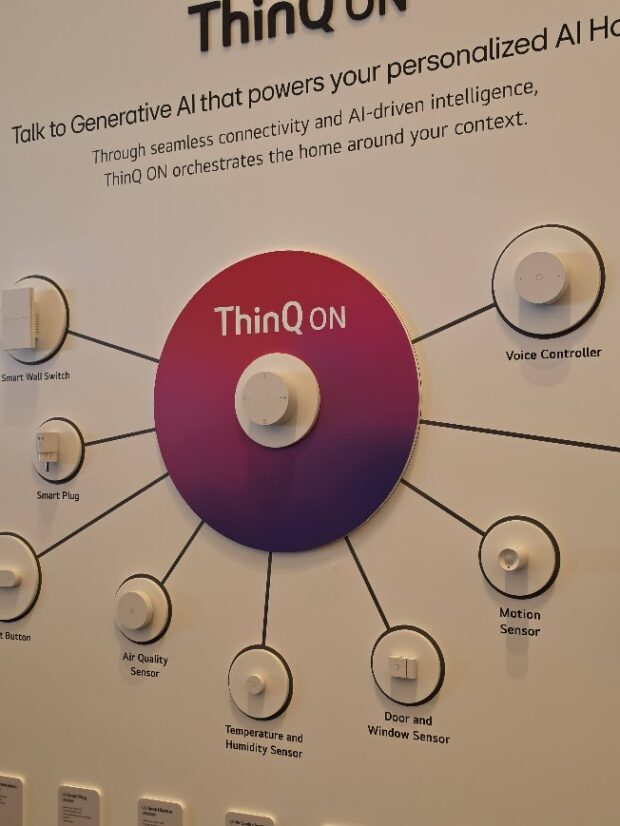
In a world dominated by Android and iOS, MacOS and Windows, there’s a standout operating system that’s been rather silent but is at the core of most LG smart products. WebOS was an acquisition from HP, which was originally the PalmOS system back in the day. As a nerd, I know that whenever I buy an LG smart appliance, it’s running on the spiritual successor of a beloved operating system known for its simplicity and light weight. I had several PalmOS devices in college from the Handspring Visor to the Palm m515. I can appreciate how LG turned this OS around, having abandoned the Android ecosystem when they were still making phones (remember the Optimus and G series?)and made it their own. The ThinQ On home hub that powers both homes and office spaces (their property management solution) is a great example. Because WebOS is open source, it’s easy to build compatible software to link smart devices from other brands.
Is the future K-TECH?
The K-TECH question from Mr. Kim caught me off guard. I still think about it when I write about tech brands from South Korea. Is the shift in soft-power making its way to consumer technology because of global acts like BTS? The next decade of supply chain acrobatics will surely define this new normal.