MANILA, Philippines — Gaming consoles in the Philippines are becoming more expensive even years after release, reversing the usual trend of gradual price drops as global economic pressures and a weakening peso continue to affect imported electronics.
A comparison of major gaming platforms shows a clear upward shift in hardware pricing in the local market, with some devices now reaching the PHP 40,000 to PHP 70,000 range depending on model and configuration.
As of May 2026, consoles that were once considered mainstream consumer devices are increasingly priced closer to premium electronics.

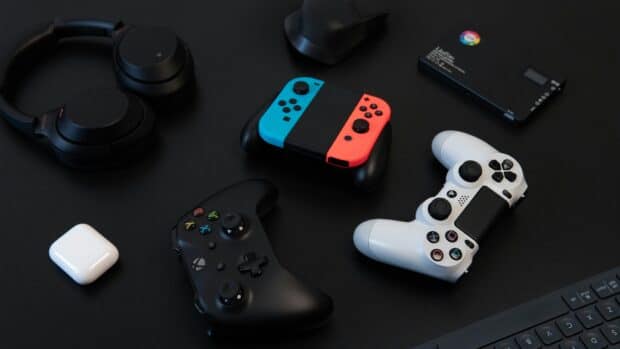
Economic pressures behind rising prices
Gaming consoles are fully imported products in the Philippines, making retail prices sensitive to exchange rates, shipping costs, inflation, and global supply conditions.
In April 2026, inflation rose to 7.2 percent, exceeding government targets and pushing up the cost of goods and services. Transport costs also increased sharply due to higher fuel prices, with diesel rising more than 120 percent year-on-year.
RELATED STORY: Inflation spikes further to 7.2% in April on oil crisis spillover
The Philippine peso also weakened beyond PHP 61 against the US dollar, increasing import costs for electronics even before retail markups are applied.
These factors have increased overall landed costs for gaming hardware, which importers and retailers pass on to consumers.
PS5 leads price increases in consoles
The PlayStation 5 remains the clearest example of rising console prices in the country.
It launched in 2020 at PHP 27,990, increased to PHP 30,790 in 2022, and reached PHP 40,032 as of May 1, 2026.
This reflects a total increase of about 30 percent from its previous adjustment, making it significantly more expensive compared to its early pricing.
Higher-end models have also moved upward. The PlayStation 5 Pro, which has no official Philippine price, is currently sold through gray-market imports at around PHP 56,950 based on local listings.
RELATED STORY: Opinion: PlayStation Studios’ PC strategy makes everyone but Sony happy
Different pricing strategies across brands
Other gaming companies are responding differently to market conditions.
Microsoft’s Xbox Series X and Series S are largely sold through parallel imports, giving retailers flexibility in sourcing.
This has led to local prices moving independently of global MSRP increases, as units are sourced from different regional markets with varying price levels.
Nintendo has introduced higher pricing for its next-generation hardware. The Nintendo Switch 2 entered the Philippine market at around PHP 31,990, with bundles reaching PHP 35,500, reflecting upgraded components and added local costs such as VAT and distribution fees.
Nintendo has also expanded its localized digital store in the Philippines, signaling a shift toward region-based pricing for digital content.
Price comparison across gaming platforms
A review of major gaming hardware shows how prices have changed in the Philippine market over time.
The PlayStation 5 (disc version) increased from PHP 27,990 at launch in 2020 to PHP 30,790 in 2022, and PHP 40,032 in 2026.
The Xbox Series X (1TB), which peaked at around PHP 36,000 during early supply shortages, now sells for about PHP 25,795 in the local parallel import market. The Xbox Series S (512GB) has also dropped to around PHP 15,950 from its initial PHP 19,995 price.
For Nintendo, the Switch 2 is priced at PHP 31,990, while older models such as the Switch OLED now retail between PHP 15,495 and PHP 15,750, down from around PHP 21,000 during its early release period.
Handheld gaming PCs show some of the steepest price increases. The Lenovo Legion Go 2 is priced between PHP 64,396 and PHP 73,296 depending on configuration, up from roughly PHP 39,698 for earlier models. The ASUS ROG Ally (2025–2026 models) ranges from PHP 36,995 to PHP 56,995.
The overall trend shows a market that is becoming more expensive for new entrants.
Where consoles were once considered affordable entry points into gaming, many now fall into premium price categories. This has led some consumers to delay upgrades, buy second-hand units, or rely on subscription-based gaming services.
Rising hardware costs also influence long-term gaming decisions, as higher prices make switching between platforms more expensive for consumers. (By Rojelyn Cona, INQUIRER.net Intern)