


From screen to print: How Geloy Concepcion turns everyday family moments into something tangible


Families today live with an almost endless stream of digital content. Photographs sit in camera rolls, children discover activities online, schedules live in apps, and creative ideas often begin on a phone, tablet, or computer.
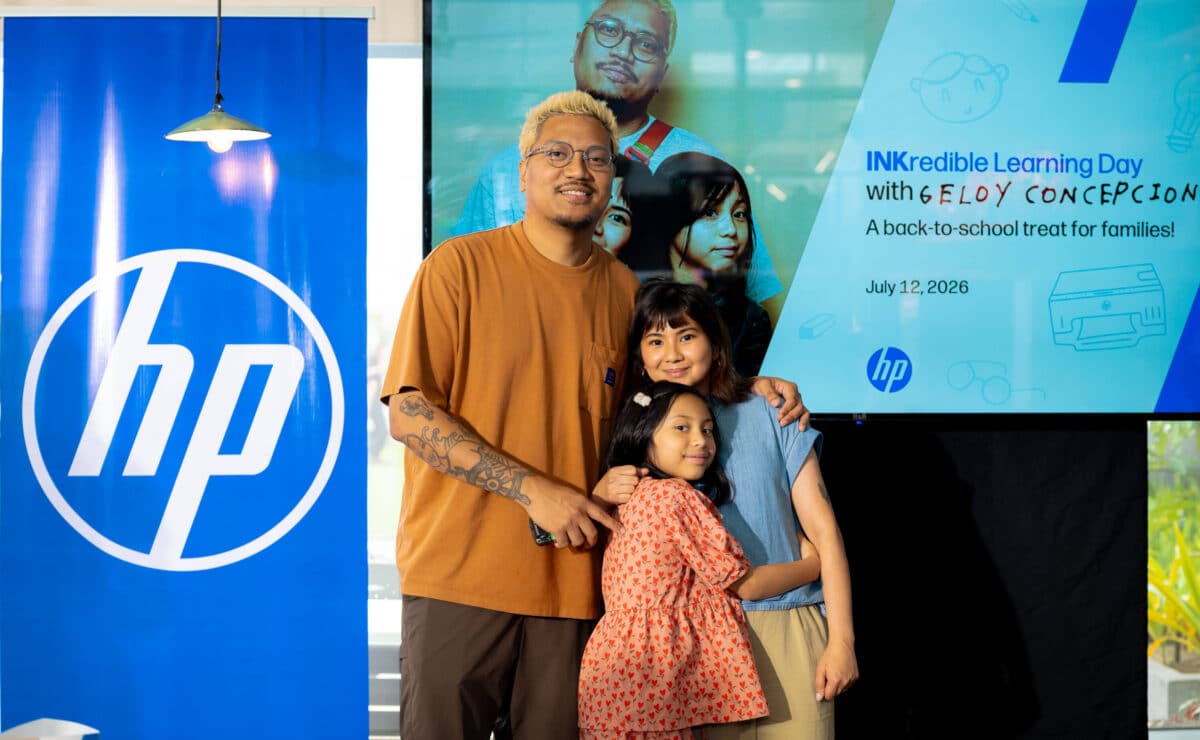
For Filipino photographer and artist Geloy Concepcion, however, digital does not have to mean intangible.
Much of his own creative process begins on a screen, from taking and organizing photographs to editing images and developing ideas. But printing gives those ideas a different life.
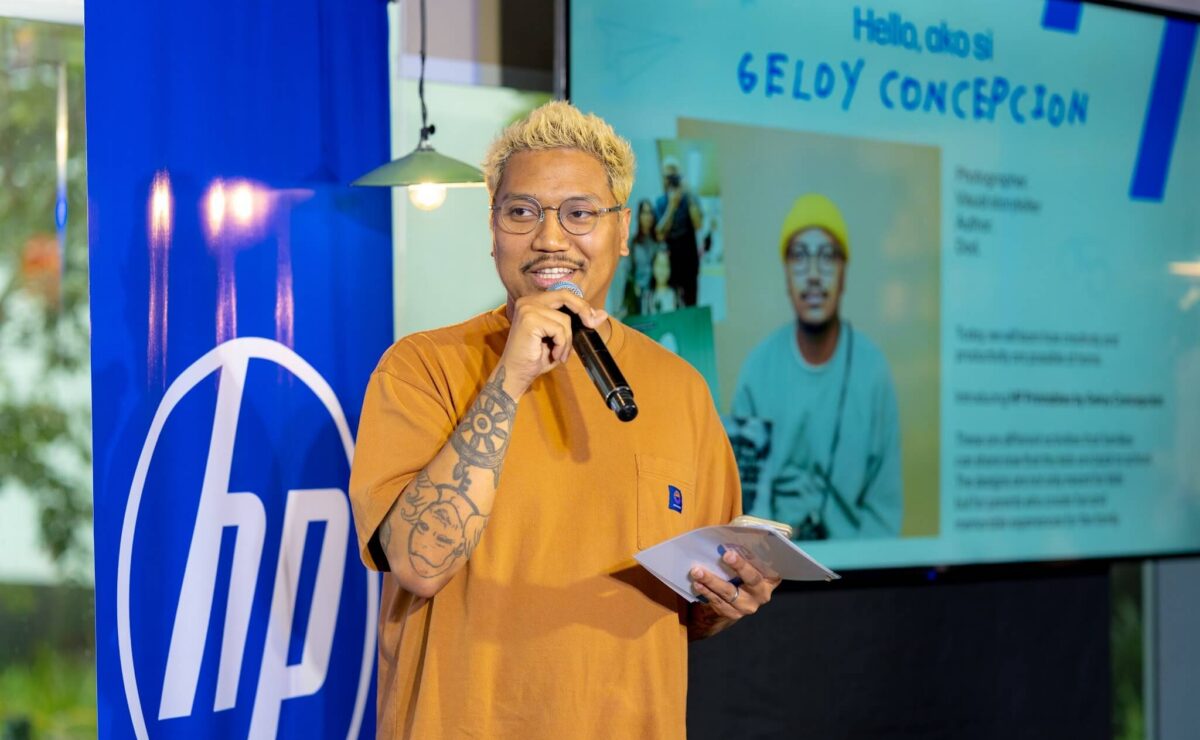
“My creative process often begins digitally, whether I am taking photographs, organizing images, editing, or developing an idea,” Concepcion shares. “Printing allows me to experience the work differently. Once an image or idea becomes physical, I can observe details, make notes, arrange materials, and interact with it beyond the screen.”
For Concepcion, there is no need to choose between digital and physical formats. Each serves a different role.
“Digital tools make it easier to create, refine, and store ideas, while physical outputs give those ideas another layer of meaning and permanence.”
Turning screen time into something more active
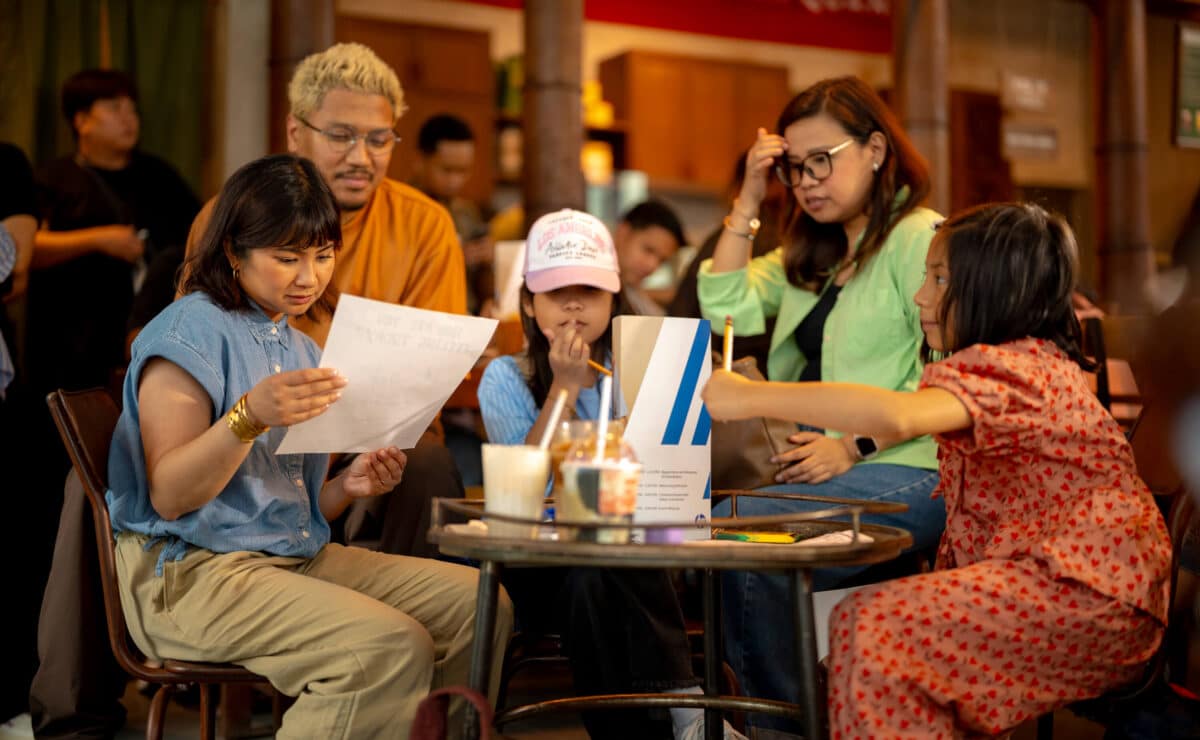
That relationship between digital and physical media extends beyond Concepcion’s work as an artist. It also shapes how his family learns, creates, and spends time together at home.
Technology has given families easier access to photographs, educational materials, creative references, activities, and other resources. The opportunity, Concepcion says, is to make that content more participatory.
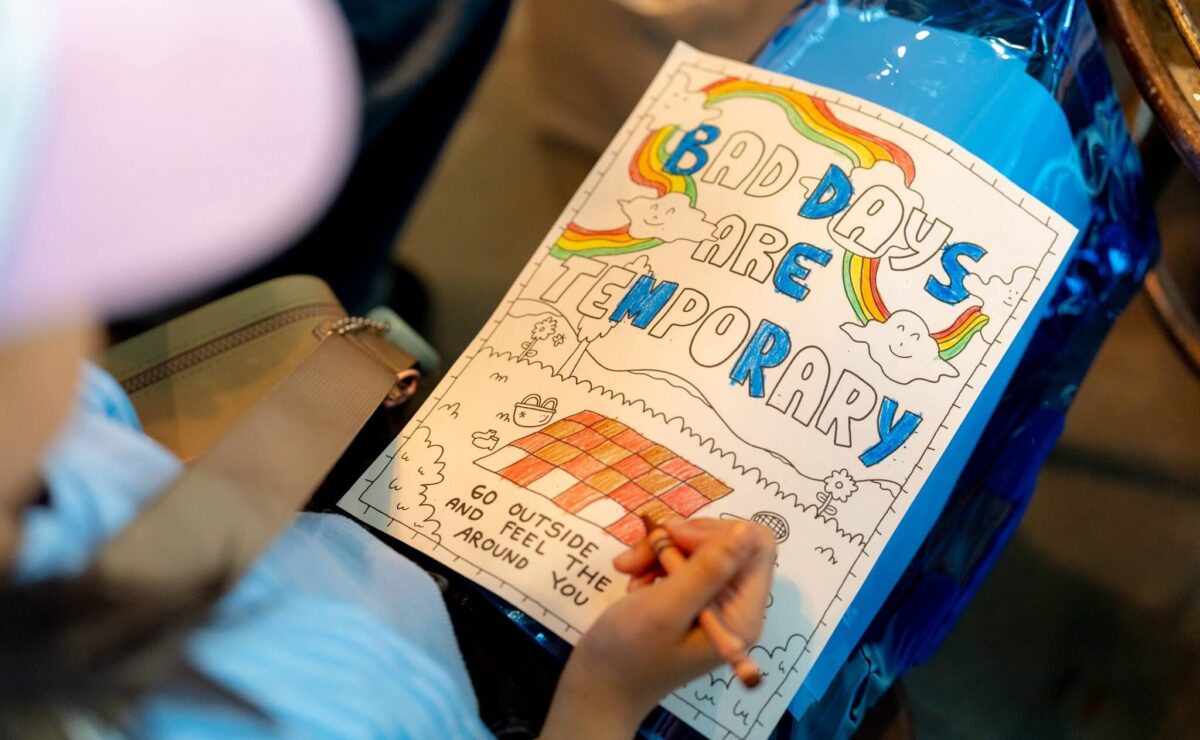
“Instead of leaving everything on a screen, we can turn digital content into something we can draw on, write on, display, or work on together,” he says. “This helps make the experience more active and collaborative for the family.”
A photograph can become the beginning of a conversation. A printable template can become a drawing or storytelling exercise. An online activity can be transformed into something children can physically manipulate, annotate, cut up, or personalize.
Concepcion sees a noticeable difference when children are given something they can interact with using their hands.
“Children often respond differently when they can touch, draw, write, cut, or add something to the material themselves,” he explains. “A printed activity becomes more open-ended because they can interpret and personalize it in their own way.”
Instead of simply consuming what appears in front of them, children become part of creating the final result.
The things families choose to keep
Not everything that gets printed at home has to be educational.
For Concepcion’s family, print can have creative, practical, and emotional uses. Photographs, children’s artwork, activity sheets, creative templates, visual references, schedules, and other everyday materials can all move from digital files into objects that become part of family life.
There is particular significance in printing photographs.
Most people now capture far more photographs than they could ever reasonably display. Thousands of moments can live inside a phone without being seen again for months or even years.
A physical photograph asks for something different.
“Digital storage is convenient, but physical objects have a different emotional value,” Concepcion says. “A printed photograph or drawing can be displayed, held, revisited, and passed around. It becomes part of the space and part of the family’s everyday life.”
The value, he adds, also comes from the act of choosing.
“There is an intentionality behind printing something. Out of the many images we capture, choosing one to print gives it additional meaning. It says that the moment is worth remembering and keeping.”
It is a particularly fitting perspective from a photographer whose work revolves around noticing moments that others might overlook.
In a world where taking another photograph requires almost no effort, deciding which image deserves to leave the camera roll can itself become an act of remembering.
A printer beyond homework
For many households, printers have long been associated primarily with school requirements, forms, and office documents.
Concepcion sees the home printer as something broader: a tool families can use for both practical tasks and creative experimentation.
“A home printer can support many activities beyond assignments and documents,” he says. “Families can use it to create artwork, print photographs, prepare party materials, make labels, organize schedules, develop storytelling activities, or preserve meaningful moments.”

It can also allow parents to take resources found online and adapt them around a child’s interests.
“A simple digital file can become something the family can create, discuss, and complete together.”
For a printer to become part of that everyday routine, however, Concepcion believes convenience matters. Families should not have to think too much about the technology itself.
He looks for something easy to use and dependable, with straightforward connectivity across devices and consistent print quality. Cost also becomes important when printing shifts from an occasional task to a regular family activity.
“Families need a printer that allows them to create and experiment without worrying too much about ink consumption or frequent refilling,” he says.
Where the HP Smart Tank 580 fits in
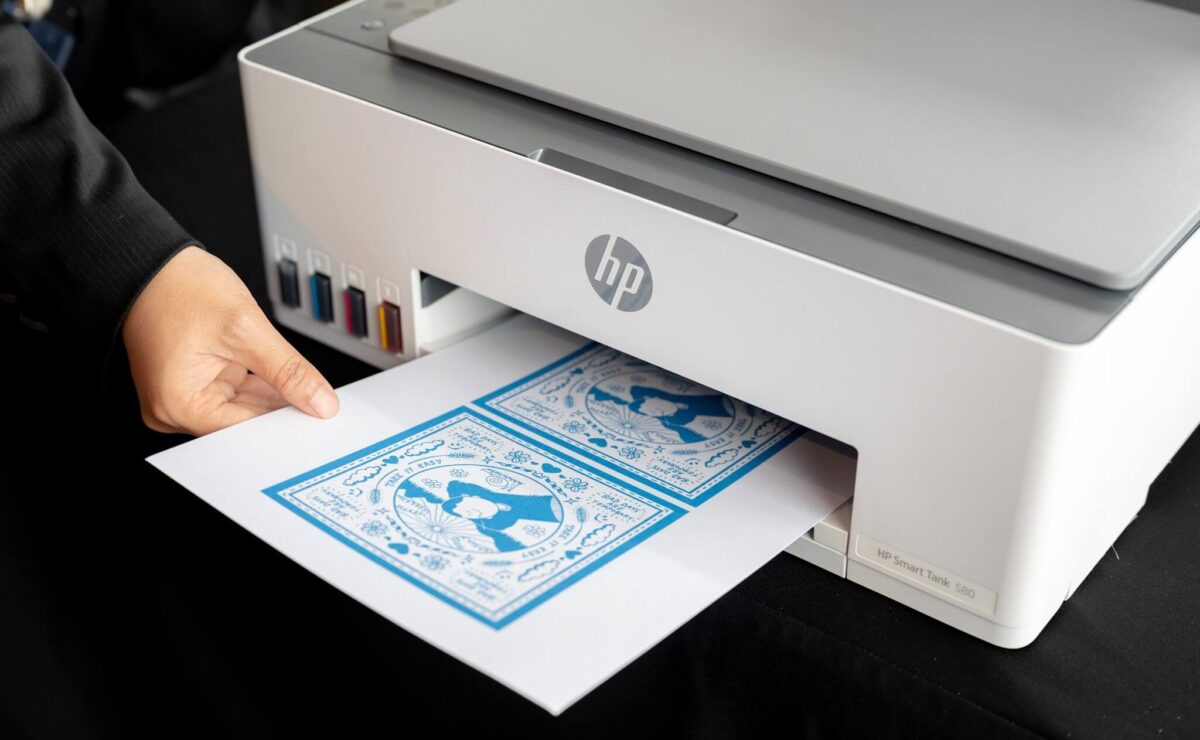
Concepcion has been using the HP Smart Tank 580 as part of his family’s activities, helping turn materials stored or discovered digitally into things they can physically use at home.
Its print, scan, and copy capabilities allow the family to use one device for different practical, learning, and creative needs. Wireless connectivity also makes it easier to print content coming from different devices, while its high-volume ink system is designed for households that print regularly.
But for Concepcion, the larger value of print has less to do with any single task than what happens after something leaves the screen.
As Filipino households become increasingly digital, he does not see print disappearing. Instead, he sees it complementing the way families already use technology.
“Print will continue to serve as a bridge between what families see on their screens and what they can physically use, create, display, and share,” Concepcion says. “Print remains relevant because it gives digital content a tangible and more personal form.”
Bringing that idea to life, Concepcion has also created a series of printable activities for Filipino families, designed to encourage creativity and give families more ways to turn simple moments at home into something they can make, personalize, and share together.
The printables are available through the HP Philippines Facebook page and can also be accessed through this link.
The screen may be where many ideas begin. For Concepcion and his family, sometimes bringing them into the physical world is what makes them worth keeping.
ADVT.
This article is brought to you by HP.


