


How four Filipino developers turned a late-night idea into Rhythm Rat Rampage


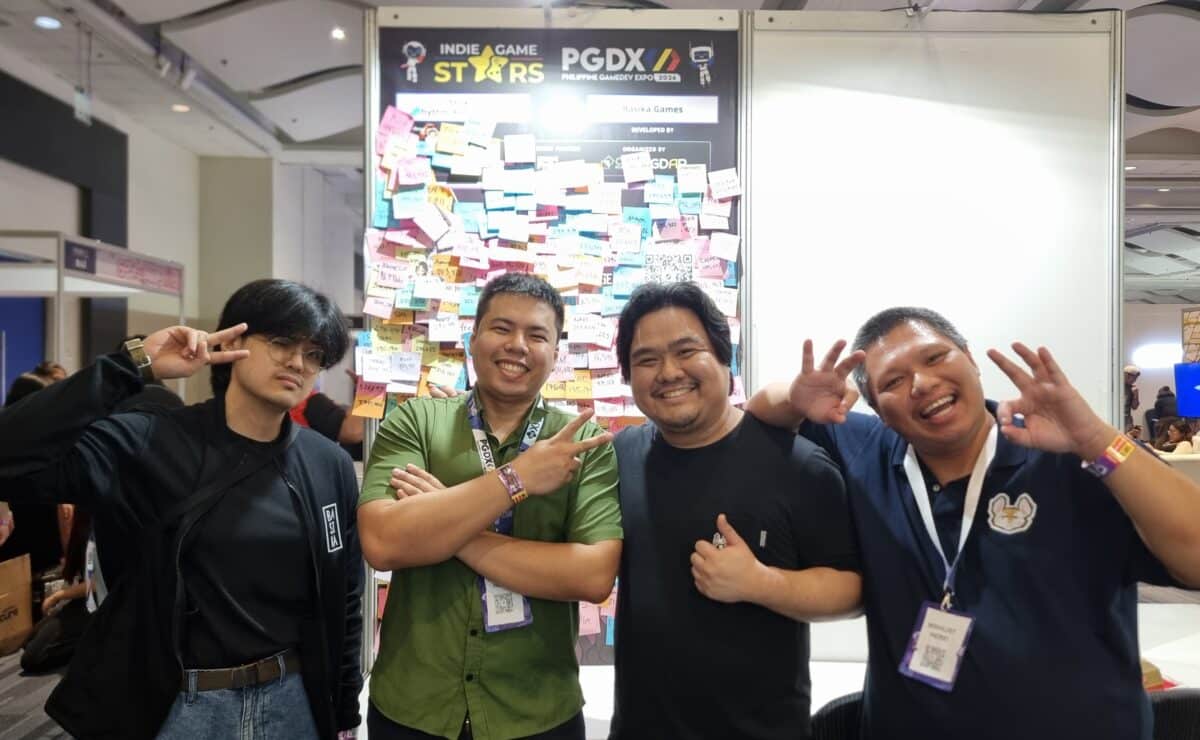
There was no grand concept behind Rhythm Rat Rampage. Basika Games had no elaborate pitch for a rhythm game that would eventually combine music, bullet-heaven combat, and roguelite systems.
It started with a late-night conversation.
The Basika Games team started when Amiel Suarez and Miguel Querubin were simply talking about making a rhythm game when they decided to try it. Suarez, a software engineer who had been working in Singapore, would eventually take on project management, game design and lead programming. While Querubin became responsible for the game’s sound and music.
Joining them are John Robert Hilado handles the art and user experience, while Allister Alambra works across game development and the ‘less glamorous parts’ of running a studio, including marketing, publishing and operations.
Thus Basika Games came to be, a Philippine indie studio whose name comes from bawang, sibuyas and kamatis, the familiar Filipino sauté combination. With interesting etymology in the bag, their explanation for the name is considerably less serious: they just thought it was funny.
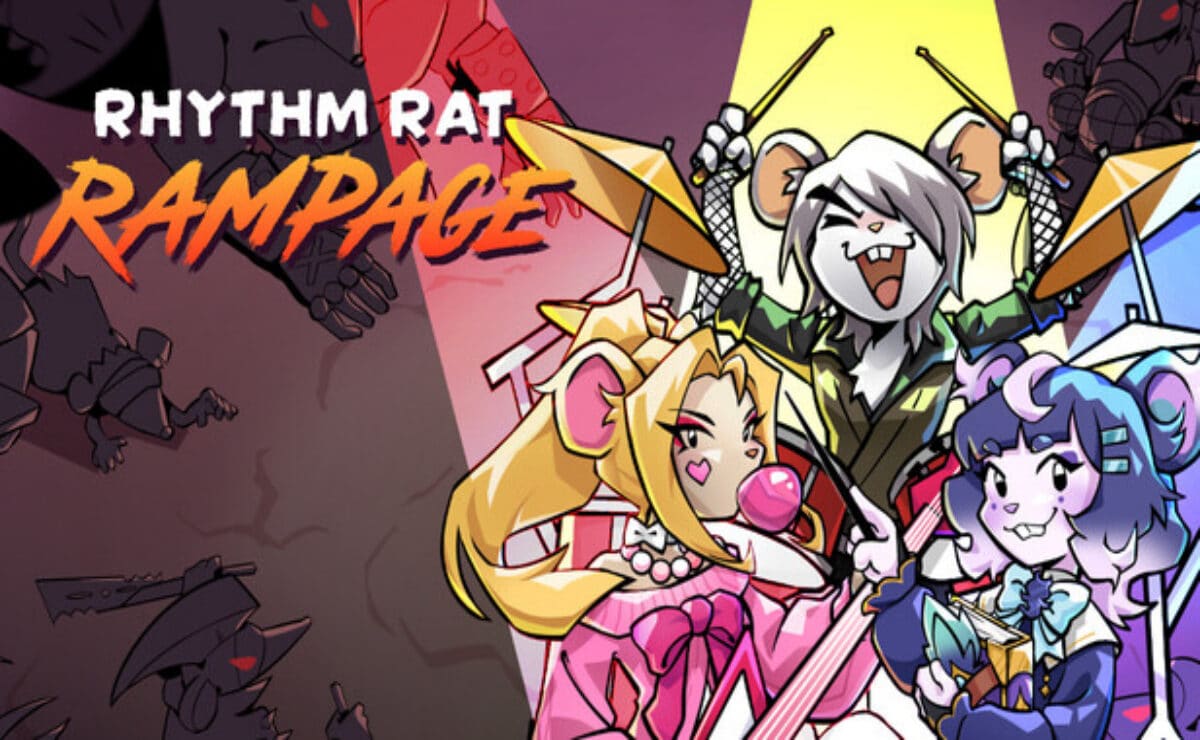
Rhythm Rat Rampage asks players to fight through enemy-filled stages while keeping time with its music. Its bullet-heaven mechanics allow the screen to become increasingly crowded as players grow stronger, while its rhythm system requires them to pay attention to the music and hit notes at the appropriate moments.
Making those systems work together took considerably more experimentation than the original idea might suggest.
“There are limited options to express this combination of genres, and knowing how to balance the discovery aspect of games with the necessity to induce a feeling of power fantasy that players seek in bullet heaven games was something that really took a toll onthe initial versions of the game.” the devs said.
The team spent a significant part of development figuring out how much freedom to give players while maintaining the sense of power that makes bullet-heaven games appealing. Early versions went through changes to hit points, levels, playable characters and even the technical implementation of the music.
The current version was shaped in part by taking the game outside the Philippines.
Basika brought Rhythm Rat Rampage to overseas events including Gamescom, G-Star and Taipei Game Show, where the team could put the game in front of people who had no prior familiarity with it. The developers used those sessions to see where players struggled and which parts of the game immediately made sense.
The feedback also gave Basika a chance to see how differently players approach the same mechanics. The studio observed that players from East Asia often approached the game in a more technical way and figured out its systems quickly. Western players, meanwhile, tended to look for a stronger overarching narrative and greater immersion.
Those observations have become part of the development process rather than simply something the team hears after a game is finished. Basika describes player feedback as its “north star.”
The levels are designed around the music, although the team does not follow a single rule for which comes first. The theme and gameplay of a stage can influence the music, while the music can determine how the team builds the level and its encounters.
The rhythm itself also has to be readable without making players feel as though they are constantly checking instructions. Basika credits earlier rhythm games such as O2Jam, Audition and Guitar Hero with establishing conventions that players already understand. Its own challenge has been creating the correct rhythm hit maps so the notes on screen correspond to the different layers of its music.
If someone can play through the beat by listening to the music rather than consciously thinking about where each note is supposed to land, Basika knows it is moving in the right direction. I then asked how the team decided on going with the current art style.
“Pixel art is the only thing we could afford,” the studio said.
It turned out to be a good fit for the project. The same goes for the rats. Basika thought they were cute, then found that rats already carry enough cultural associations across different societies to give the team material for its world and characters.
The studio has been developing those ideas alongside the game’s procedural structure. Stages and songs are randomized, while repeated runs gradually unlock stronger abilities, new mechanics and additional content. The developers are also keeping some characters and features hidden for players to discover through successive runs.
That structure gives Rhythm Rat Rampage a reason to ask for another run beyond simply repeating the same level. Each playthrough can introduce a different combination of stages and music, while progression gradually makes the game more technically demanding.
Getting players to make that first run, however, is another problem entirely.
Basika is competing for attention on Steam alongside thousands of other indie releases, without the marketing budgets available to larger publishers. The studio has accepted that there is only so much it can do with limited resources, so it focuses on understanding what excites players and maintaining a direct connection with its audience.
Its international events have provided one useful measure. Basika said the game has consistently attracted more than 200 players per day at the events it has attended.
It also explains why the developers continue to put the game in front of people while it is still being made. The studio has learned that the work does not stop at programming, art and sound. Marketing, business development and other skills are just as relevant when the goal is to turn a game into a commercial product.
Basika also sees a gap in business development skills within the local game development ecosystem. The technical tools have become increasingly accessible, making it easier to prototype ideas. The harder problem, in the studio’s experience, is everything required to turn those prototypes into sustainable products.
The developers do not believe there is a single formula for doing that. Instead, their experience at international events has reinforced a simpler lesson: a studio has to find a workable compromise between the game it wants to make and the game people actually want to play.
Basika is particularly proud that the game has been made entirely in-house and without generative AI. More importantly, the team has been able to take its work overseas and watch players from different parts of the world respond to it.
What followed was hit-point changes, rewritten levels, new characters, technical problems with music, international playtests, marketing concerns, budget decisions and plenty of feedback. The rats came later. So did the bullet-heaven mechanics.
The journey that started on a seeming whim among friends, the now four-person studio has now travelled near and far seeing just how people from all walks of life react to their game. Watching hundreds of players, a day pick up the game, find their rhythm, and, sometimes, start bobbing their heads along to the music is already a reward in its own right.
But there is still plenty of work ahead. Basika continues to refine the game’s onboarding, add content, and figure out how to reach players in an increasingly crowded PC market.
Asked what they would tell aspiring game developers in the Philippines, Basika kept the answer simple.
“Do your best!”
It is a fittingly uncomplicated answer from a team whose own project began with little more than two people wondering if they could make a rhythm game.
Basika is still figuring out where Rhythm Rat Rampage ultimately goes. For now, the team is doing what it has done from the beginning: making the game, showing it to people, listening to how they play it, and hoping just like their titular rats that their game becomes a little harder to ignore with every run around the world.


