





Leica Leitzphone is a better Xiaomi 17 Ultra


MANILA, Philippines – In the battle of the smartphone camera, brands such as Xiaomi, Vivo, OPPO, and HUAWEI have been going head to head with the best cameras in phones. The route most China-brand phones take would be to partner with the best imaging companies. Vivo is currently partnered with Zeiss, OPPO has Hasselblad, and Xiaomi and HUAWEI have toyed with Leica. Currently the latter has ended their partnership in favor of their in-house XMAGE lens system.
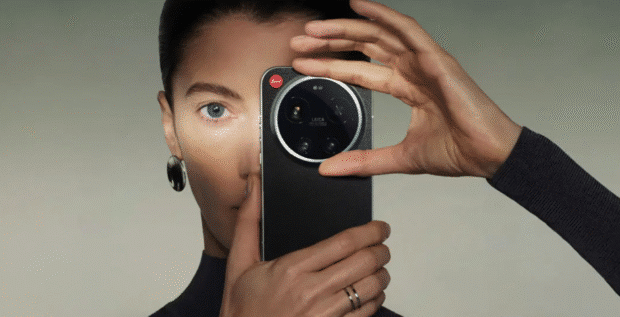
The announcement of a renewed partnership between Xiaomi and Leica has taken new framing. Whereas the phone brands traditionally lead with announcements, this time it is Leica that has announced the Leitzphone, which is an upgraded version of the recently unveiled Xiaomi 17 Ultra.
A camera more than a phone
The triple-camera system is nothing new for phones at this caliber. The main camera shoots at 23mm with a 50MP sensor. The telephoto runs between 75 and 100mm optical zoom on a 1/1.4-inch sensor capable of 200MP output — that’s a large sensor for a zoom lens, and it matters for portraits and blurred backgrounds. The ultra-wide at 14mm gets down to 5cm close focus, which opens up macro-style shooting without a dedicated lens.
The crowning glory of this phone is the physical camera ring to simulate a real camera lens adjustment. It’s assignable — lens selection, focal length, focus, bokeh control — and it rotates. That’s a mechanical interaction point on a touchscreen device. Leica’s argument is that it returns some of the tactile feedback that smartphone photography stripped away. Whether it changes how you actually shoot is something you’d need to handle in person. The intent is clear: they want the device to feel like a camera, not just photograph like one.
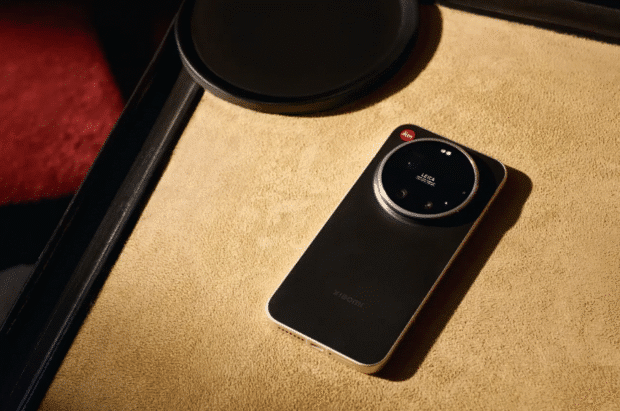
The software side follows the same logic. The camera app was redesigned by Leica’s own design team. You get 13 Looks, two overall aesthetic modes (Authentic and Vibrant), five bokeh styles, and a selection of digitally interpreted legacy lenses.
HyperOS at its core
The Leica UX extends beyond the camera app into the OS layer. Custom fonts, icons, widgets, wallpaper, even the battery and sleep screens — all of it shaped by Leica’s visual language. It sits on top of Xiaomi’s HyperOS 3 and AI features through Google Gemini integration. The Snapdragon 8 Elite Gen 5 runs the hardware, alongside a 6000 mAh battery, 90W wired charging, and a 6.9-inch LTPO OLED display.
For markets like Malaysia, Singapore, Thailand, Indonesia, and the Philippines’ neighbors in Southeast Asia, there’s now a regional path to get one. No Philippines listing yet, but the regional availability is wider than past Leica-Xiaomi devices.


