CEBU CITY, Philippines – The Department of Science and Technology (DOST) showcased what bamboo-based technologies can be during the 2026 Bamboo Technology and Innovation Summit held at a hotel in Cebu City on Wednesday, March 4, 2026.

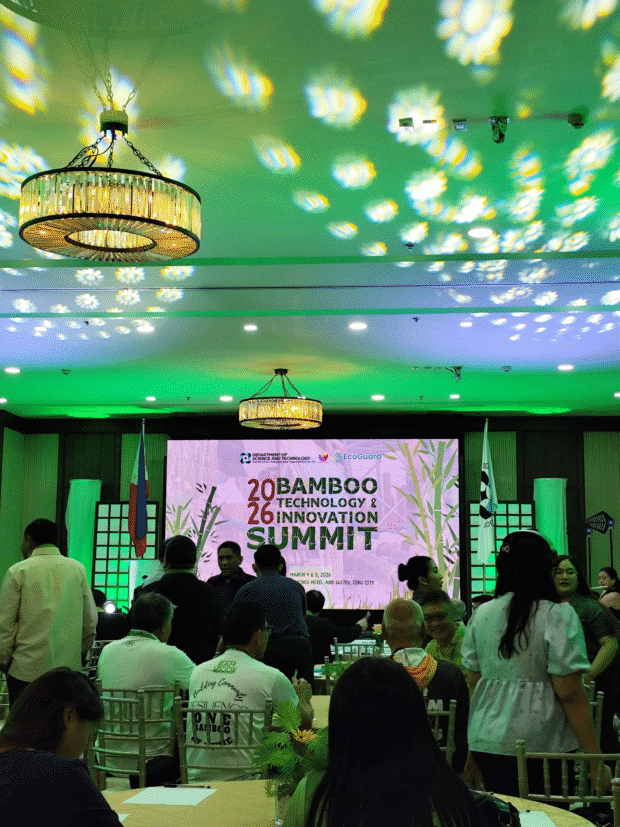
With the theme of “Harnessing Bamboo for Sustainable Industries and Inclusive Growth,” the two-day summit aimed to promote collaboration, research, innovation and the use of bamboo-based technologies by both the local government units (LGUs) and private stakeholders.
At the center of the discussions is the development of bamboo-based products which can be used for different industries such as in agriculture, construction and architecture, manufacturing, textile, food and beverage, energy, and more.
Furthermore, other key topics include the following:
- Bamboo Research, Development, and Innovation
- Bamboo Species, Uses, and Environmental Benefits
- Bamboo Processing and Its Applications
- Bamboo Carbon Credit Initiatives
- DOST Circular Economy Programs
- Sustainable Plantation Models for Resilient Bamboo Industry
Present during the summit were DOST Undersecretary for Regional Operations Sancho Mabborang, DOST 7 Regional Director Dr. Tristan Abando, DOST Cebu Provincial Science and Technology Director Bryan Ybañez, other industry stakeholders like EcoGuard Global CEO Yashodhan Ramteke and Cebu Bamboo Industry Development Council Chairman Melvin Justin Labuca.
“Today, we are no longer looking at bamboo only through the lens of tradition. We are looking at it through the lens of science, innovation, and global competitiveness,” Usec. Mabborang stated during the summit’s opening remarks.
What can bamboo technologies do?

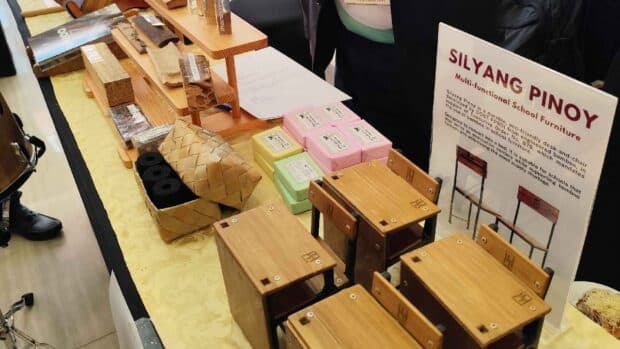
At the 2026 Bamboo Technology and Innovation Summit, featured technologies range from bamboo itself as a material to machines that process bamboo.
In architecture, Labuca talked about how bamboo can be used as a bio architecture that is disaster resilient, showcasing their bio-fencing project in Balamban, Cebu with bamboo that withstood the onslaught of Bagyong Tino.
Meanwhile, DOST Forest Products Research and Development Institute Director Rico Cabangon presented possible commercial products for bamboo technology.
These ranged from Silyang Pinoy (multifunctional engineered bamboo school furniture meant for schools), bamboo octagonal jointing systems for construction, bamboo charcoal hand soap, hands-free alcohol dispeser and footbath, hydraulic and manual bamboo charcoal briquettors, bamboo protection and preservation technologies, and waste utilization technologies.
Bamboo textile initiatives were also highlighted by DOST Philippine Textile Research Institute’s Jenneli E. Caya. She explained that bamboo is a potential alternative raw material, as its plant-based fibers can be used to produce sustainable fabrics. Products made from Bamboo textile that were shared during the summit include gowns, tote bags, and even activewear.
As discussions progressed, the summit underscored the need for stronger collaboration among government agencies, research institutions, local government units, and private investors to scale up bamboo production and processing. They also highlighted the importance of establishing sustainable plantation models and improving access to modern equipment to ensure quality and competitiveness in both local and global markets.
“If we can do this, including policy and governance, then there is a chance that this could become a significant contributor to our economic development,” Usec. Mabborang remarked.