





Why Highguard failed


Every few months the industry gets another reminder that making a live-service game is brutally difficult.
Highguard is the latest example.
The free-to-play shooter launched in late January with plenty of reasons for players to pay attention. The studio behind it, Wildlight Entertainment, was stacked with veterans who had worked on Apex Legends, Titanfall, and other major shooters. The game had funding, experienced developers, and a genre that historically prints money when it works.
Six weeks later, it was dead.
Servers shut down in March, the studio laid off most of its staff, and Highguard joined the growing graveyard of multiplayer games that simply couldn’t find an audience.
So what actually went wrong?
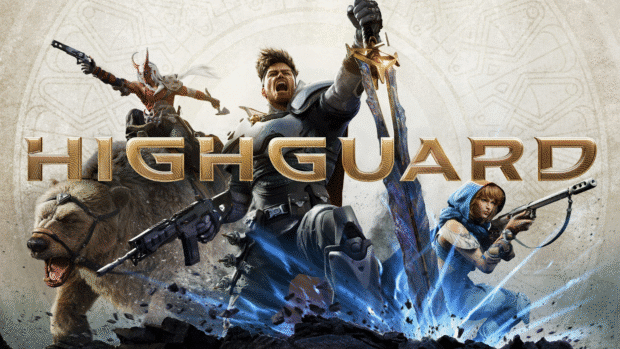
The shooter genre fatigue
At first glance, the launch numbers looked promising and with its reportedly monumental budget it was expected. Highguard pulled in close to 100,000 concurrent players on Steam at its peak and reportedly drew millions of players across platforms in its opening days. For a brand-new IP, that is a respectable start.
The problem was retention.
Within a couple of weeks, the player base fell dramatically. Streaming numbers dropped. Matchmaking slowed down. Community chatter disappeared almost overnight.
Live-service games run on momentum and it really needs its players to be willing to spend and support it to keep it alive. Once that momentum breaks, the decline tends to accelerate. Highguard never managed to stabilize its player base after the initial drop.
Another problem is simple: players already have their shooters.
If you want to compete in this space, you are going up against Fortnite, Call of Duty: Warzone, Apex Legends, Counter-Strike 2, and VALORANT. These games have years of content, polished competitive ecosystems, and communities that are deeply invested.
Convincing players to abandon those titles requires something special and Highguard simply did not have that x-factor.
A series of unfortunate design choices
Highguard did not necessarily fail at being a competent shooter. The issue is that competence is not enough anymore. If a new game does not offer a clear reason to switch, players will simply go back to what they already know.
One of Highguard’s biggest design choices was its original 3v3 format played on fairly large maps.
In theory, the smaller team size was meant to encourage tactical play. In practice, many players felt matches dragged on or lacked the intensity people expect from modern competitive shooters. The devs kind of forget that gamers don’t really have the patience for the slowburn game these days. It’s all about instant gratification.
They then eventually responded by introducing a 5v5 mode to speed things up. But first impressions matter in multiplayer games. By the time the change arrived, many players had already checked out and went back to their CS, Fortnite, and VALORANT.
Once the player numbers dropped, the business side of the project became difficult to justify.
Maintaining a live-service title requires a constant pipeline of updates, content drops, and technical support. That infrastructure is expensive and don’t forget this game is ‘triple A’ at its core so its spending was already high from the beginning.
With engagement declining, funding reportedly tightened and layoffs followed soon after. At that point, the shutdown was only a matter of time.
The modern multiplayer market is ruthless. A game can have experienced developers, strong mechanics, and serious financial backing and still disappear within weeks if players do not stick around.
Launching a live-service title today is not just about making a good game. It is about capturing attention immediately and holding it long enough to build a community.
Highguard had the pedigree. It had the budget. It even had a decent launch window with no real competitors. But the devs really dropped the ball with this one.


