MANILA, Philippines – The Department of Science and Technology – Philippine Council for Health Research and Development (DOST-PCHRD) funded over P4.99 million for the local development of a phantom model for physicians training with ultrasound-guided procedures.
The phantom model acts as a “practice dummy” for clinicians.

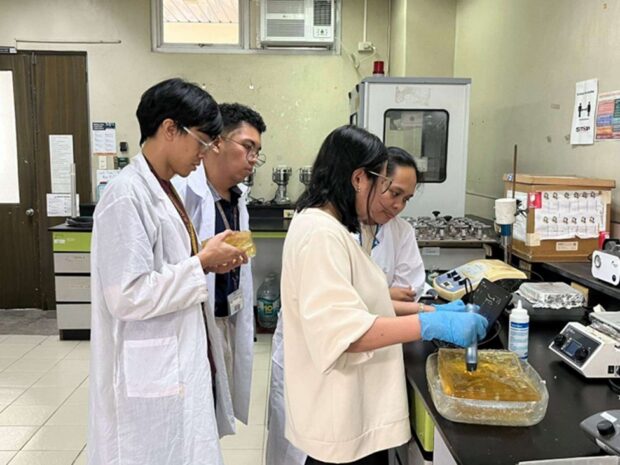
The system simulates and mimics the body when exposed to ultrasound-guided procedures.
Headed by Dr. Melissa Amosco from the University of the Philippines Manila, the research team aims to develop this system to be more affordable and accessible across the country.
“By utilizing homegrown tools to empower our own pool of medical professionals, we can overcome resource and skill gaps, tailor processes to the needs of our communities, and ultimately enhance patient care and outcomes,” said DOST Secretary Renato U. Solidum Jr. in a press release.
RELATED STORY: DOST launches new tech testing and validation initiative
Co-investigator Dr. Leslie Joy Lantisce-Diaz said that existing tools are procured from abroad. She added that these are “often rigid and difficult to customize for varying patient cases.”
The team aims to complete the project by August 2026.
Meanwhile, Lantisce-Diaz and their team are currently refining the project based on feedback.
Additionally, the team is also exploring solutions to optimize packaging and deploy in different areas in the Philippines once completed.
The phantom model’s current version
The current version of the phantom model prototype has two types of tissue-mimicking materials (TMMs). This simulates the abdominopelvic region consisting of muscles, fat, and the skin.
The materials can also be adjusted as needed. They can show different acoustic and mechanical signals in defining organs or masses like tumors and cysts.
UP-Philippine General Hospital (UP-PGH) integrated this system into its curriculum. They have trained and deployed124 graduates across the country. (By Clyde Jan Pascual, INQUIRER.net Intern)
RELATED STORY: DOST launches first NCR innovation hub in Muntinlupa