





WATCH: Computex 2026 was AI agents, hybrid systems, gaming


Transcript:
Welcome to Computex 2026, the center for tech, AI, and the signal for the future. This year is special because Taiwan is front and center, dictating the pace of silicon and agentic AI efforts. This year, the narrative isn’t just about data centers on the cloud, it’s also about solving the problems of the global RAM shortage and moving AI into your desk to run fully offline.
Before we talk about the future, we have to talk about the premium we’re paying to get there. Everyone in the industry is feeling the pinch of recent RAM and storage price surges. It’s gotten so intense that we’re seeing a fascinating, almost retro hardware trend on the floor: dedicated RAM cooling fans. Manufacturers are literally building active cooling solutions just to preserve the longevity of your high-speed memory investment. When components cost this much, you protect them.
But the silicon shortage isn’t stopping innovation in the mobile space. On the gaming front, Acer absolutely nailed the brief this year. They debuted the Predator Atlas 8, a handheld powerhouse that completely stole the spotlight. It’s running the new Intel Arc G3 Extreme graphics, proving that high-end, desktop-class visual fidelity in the palm of your hand is no longer a compromise—it’s the new baseline.

But the absolute biggest reveal of the entire show? The bombshell collaboration between NVIDIA and MediaTek. Yes MediaTek has officially entered the ARM race, and they did it with a sledgehammer called the RTX Spark. We are talking about an ARM-based chip pushing a staggering 1 petaflops of compute. It promises elite gaming performance, the ability to run heavy AI agents locally, and battery life that finally breaks the x86 chains. This single chip changes the entire landscape of portable and efficient computing.
This shift toward efficiency is giving rise to a whole new category of hardware: Small Form Factor PCs built solely to run local AI agents. Thanks to developments like the RTX Spark, we are moving away from heavily subsidized, cloud-dependent AI pricing toward a hybrid, on-premise model.
And that philosophy of taking back control is bleeding into storage, too. Synology made massive waves by expanding their ecosystem into full office suites with a strict, one-time hardware purchase. Devices like the BeeStation are aimed squarely at families and creators who are utterly exhausted by endless, expensive monthly subscription fees just to back up their photos and videos.
If Computex 2026 proved anything, it’s that the tech industry is adapting fast. The future isn’t locked away in a distant cloud server—it’s decentralized, incredibly powerful, and running right in front of you. By shifting to robust, on-premise AI and smarter hardware ecosystems, the industry is paving a way out of the current computing pinch.
From Taipei, I’m signing off. The next era of computing is officially here.
A bit on the gear: Osmo Pocket 3 + DJI Mic Mini 2 combo
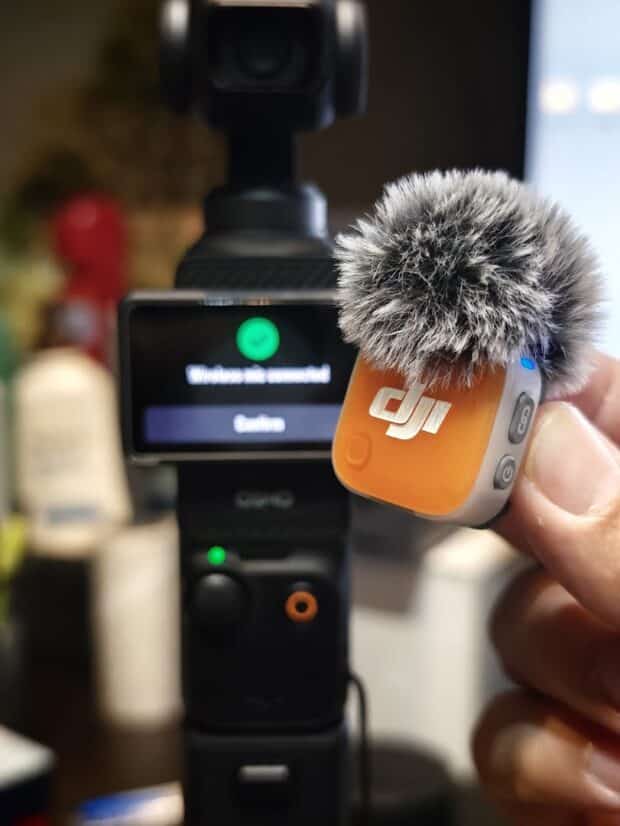
My Computex video coverage above was shot with the DJI Osmo Pocket 3, an all-in-one gimbal-controlled device that I bought about a year ago. Although the audio is great straight out of the box, I’ve paired it with the best-in-slot mic, the second generation DJI Mic Mini 2.

Off the bat, the Mic Mini 2 pairs seamlessly with the Pocket 3, not requiring any external connections like a USB-C Rx, which other brands need. This makes content creation leaner, free-ing up a USB slot for other things like connecting to a powerbank for longer recording sessions.
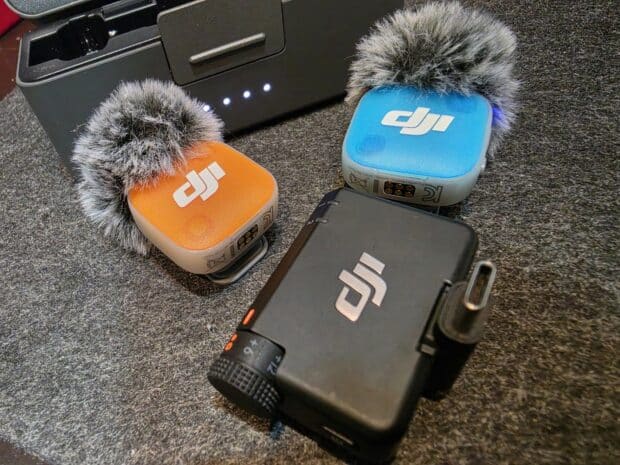
Out of the box, the Mic Mini 2 set comes with twin mics and one USB-C Rx that can be used with your smartphone or laptop for recording audio. One nice touch is the inclusion of 10 customizable plastic plates with varying colors so you can mix and match your mic based on the color of your hosts’ shirts. The two clip-on mics also come with a pair of magnets so you can choose how they are attached. One thing I really like about the set is that it comes with clip-on dead cats that are easy to attach and remove (I keep them on). The model I have does not come with the tiny mobile Tx meant for smartphones. Instead it comes with the larger, more versatile Tx that comes with a 3.5mm cable for connecting to cameras. It also comes with a built-in gain for adjusting audio sensitivity.
If you want to access noise-cancelling features, you can download the DJI Mimo app on your smartphone and add the device there. Alternately I’ve been able to pair it by double-pressing the power button on the mic and a yellow-green light will turn on by the opposite side of the device (top corner) to indicate that noise cancelling is turned on. By default I turn on this feature.
Verdict
The DJI Mic Mini 2 is an all-in-one creator must-have if you’re looking to level up your content creation. The fact that you don’t need to buy additional accessories such as magnets or pop filters makes this even more enticing. If you’re already in the DJI ecosystem, the Mic Mini 2 is an even better proposition because of the auto-pairing feature, in my case with the Osmo Pocket 3 Even if you’re not using a DJI capture device, the Mini 2 is still a great package because of the ease-of-use and versatility with noise cancellation and gain control.
The Mic Mini 2 has roughly half a day worth of juice. The mic transmitters have a claimed 11.5 hours of recording time with noise cancelling turned off on a full charge and takes roughly an hour to fully charge from its case. The USB Rx also has roughly the same battery life at 10.5 hours and can connect via USB-C, Bluetooth, and 3.5mm cable. The charging dock can cycle more than a day’s worth for both wireless mics and takes about two hours to fully charge the battery pack.
You can check out a list of retail stores to buy the DJI Mic Mini 2 and other products here.


