





Opinion: Education, not just regulation


Last week I attended a conference called the Safe Online Space Forum convened by the PLDT Group. It was the first stakeholder discussion I attended that was scheduled from the aftermath of the Discord ban and the ratification of the Batang Ligtas Act. In attendance were key stakeholders from the other telcos including DITO and Globe, Mediaquest executives, together with government participation from the DICT, CICC, and even the PNP. It was also nice to be surrounded by the team of Senator Risa Hontiveros, responsible for pushing the ‘Batang Ligtas Act’ in the senate.
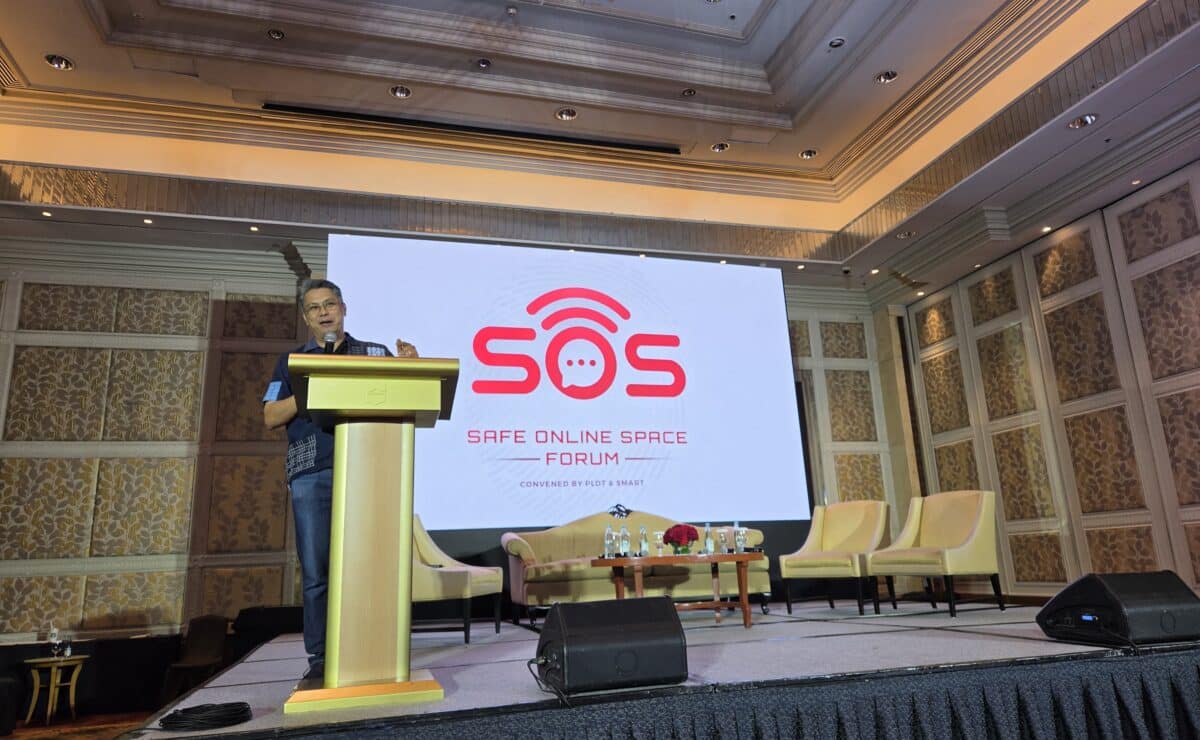
I initially was invited as a participant, but was upgraded into a panelist. I think the reason for that was because of my role handling the technology section of INQUIRER.net and relevantly, Hackenslash, the first ever sub-section that covered the video games industry in the Philippines since 2006. Twenty years ago we were trying to legitimize the video game industry. Today, we are talking about censorship and protecting our children.
I have three key discussion points that I’ve pondered on since last week and getting a read of the room that afternoon was helpful in putting words to my thoughts.
The platforms, nuances and regulations
Up front and center was the regulation on platforms. On the side of the telcos, it was pretty straightforward – that when an order comes from the NTC to block a site, they must follow as this industry needs some form of regulation. No argument there. It is however a double-edged blade: where too much regulation, too long an overreach can bring chilling effects to the digital economy. Shutting down one platform is like shutting down a highway when pursuing a criminal: it brings a huge inconvenience to citizens who are trying to make a living, especially those who rely on gig work on the Internet.The example on the Discord ban was brought up – I had brought this up – saying how on that night, my son wasn’t able to join his online tutorial class because all the coordination was being done through Discord.
In my panel where we discussed platforms, video games, and parenting, I brought up some concerns about how there seems to be a disconnect between technology platforms and proposed regulations. I remember someone from the Department of Education asking TikTok representative Bea Bautista whether AI tools and safeguards are being used to regulate live streaming – and she said that yes, platforms such as TikTok already have sophisticated safeguards in place. This question was revealing to me because it frames child safety into a matter of the “now” and not the future.
A repeat of the past
As a child of the 80’s we were all exposed to various “instruments of the devil” such as MTV, The Simpsons, and yes, even Pokemon. Are we about to repeat that again? I would like to refer to the Batang Ligtas Act – an act that I mentioned earlier was ratified on that same day as the convention, where some terminologies are too vague and general. In my panel I said that banning livestreaming for minors could mean so many things. What if you are in an online class? What if you’re on a video call with family or friends? That is technically live streaming. The document reads that short form videos should be banned for minors. But that’s just the current popular medium platforms used for all sorts of things: like learning in the digital age. In fact, sites like Khan Academy have partnered with DOST projects like S.T.A.R. Books for K-12 online learning. Does this mean all the short-form video links are now banned? Who gets banned and who stays?
I know that dealing with platforms can be frustrating. I should know. That was my job for several years, coordinating with Facebook and Twitter (before it became X) to help unban journalists and unblock content from my former employer’s social pages. But I also have to acknowledge that there are also sophisticated tools in place to help act as a first line of defense against threats: in this AI revolution, platforms like YouTube and TikTok do use AI to recognize disturbing content and immediately block them. And they need to do this because of years of regulatory oversight from governments of other countries. The Philippine government doesn’t need to reinvent the wheel.
Instead, the government needs to work with stakeholders, not to regulate but to educate. The tools are there. It seems not everyone knows about the tools.
Gun ownership was in the conversation
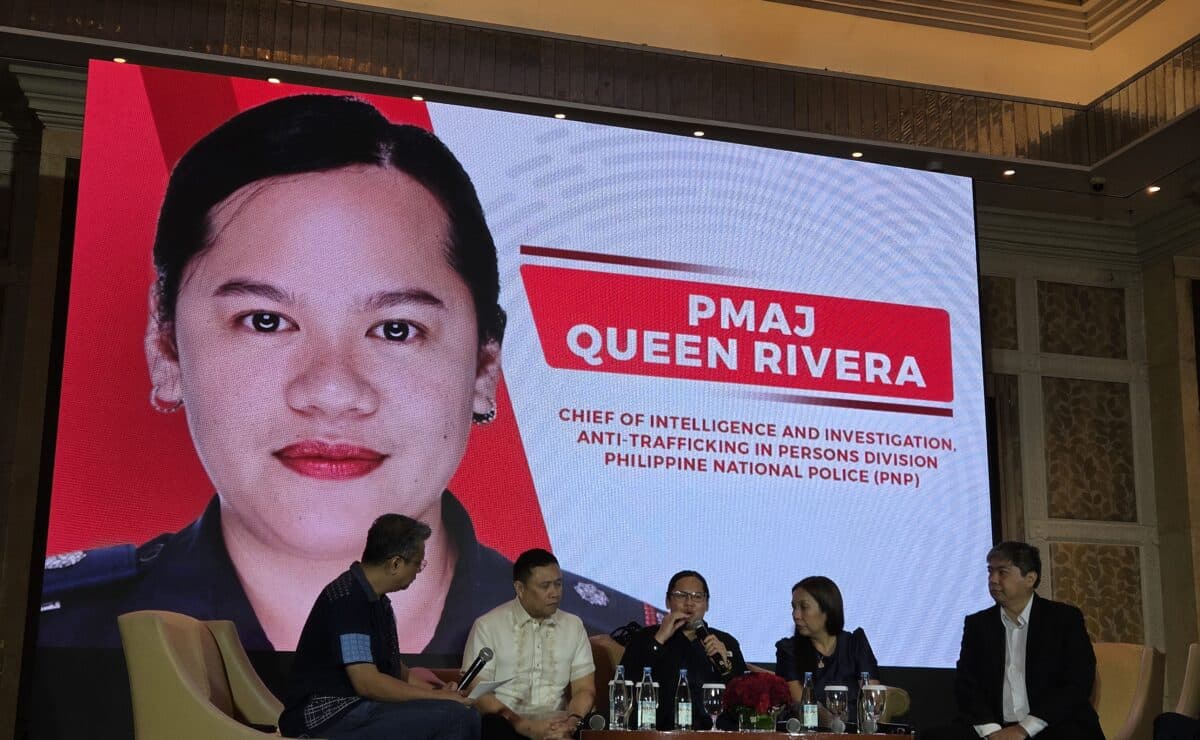
One of the convenors asked a question to PNP’s own PMAJ Queen Rivera, Chief of Intelligence and Investigation for Anti-Trafficking about gun control. More than the platforms, at the end of the day, we’re doing this because innocent lives were lost because of a gun. I expected a boilerplate response on safety, which is what we got. I do want to say that we need to explore this avenue of gun ownership as a privilege and not as a right.
Should schools have a registry of parents or close relatives who own guns in the same household? Should there be real standards in securing your gun in the same way we have Apple Airtags on our devices?
We need to talk about the role of parents
More than the platforms, I also stressed the importance of being available for your children. I remember in the Q&A portion of our discussion, convenor and telco executive Roby Alampay asked the audience if parental controls really worked – to which one of the participants answered in the affirmative. But I also had to clarify my stance that these controls only work if you explain your side to your children: explaining to them why we are not allowing them to play with strangers, explaining why trust must be earned, and explaining why there are time limits.
Sure, we have the PNP and the CICC trying to keep families safe. But the kids’ responsibility is with the parents first. I was glad that there were some hands raised asking about parental controls. TikTok has over 50 controls that can be set. Google has Family Link. Microsoft has Windows Parental Controls. Apple’s latest iOS release streamlines parent-child onboarding. On a device level, I showed some parents in the audience how you can switch users to a child account on a single phone if they intend to lend their own phones to their kids as a digital pacifier.
The banning of platforms should reside on a parental level. Let me give another example: many schools now use Microsoft Teams for their students’ school accounts because of Office 365. The DepEd is in fact one of Microsoft’s top customers. So if a huge chunk of students are on MS Teams, should the government then ban this platform retroactively? Should the government block Windows because each and every DepEd computer has a potential Game Pass for PC subscription in it (including Minecraft?!). Again, these regulations are not future proofing anything. Let parents have some sense of agency for their families.
Should we be playing ‘god?’
At the beginning of the conference, PLDT COO Butch Jimenez said that legally, telcos have all the right to play god and ban platforms. But banning is not the true solution – it is dialogue and conversation with stakeholders. I ended my portion of the Q&A by saying that yes, as parents we may actually have that right to play god as well to our kids: ban this and ban that. But is that really the path to nurturing and empathy?
Isn’t that, in the first place, why these malevolent actors successfully engage with our children online, because parents do not have the time to sit down and listen to our own kids?


