A lot has happened since I first wrote about the Child Protection Act. Amidst the Discord ban that caused (former) DICT Henry Aguda to be replaced, to the Act being ratified while I was sitting at the SOS forum for child safety, there are still some thoughts I wanted to put down in the public record on the proposed social media ban. Both as a parent and as a technology practitioner.
First off, I wholeheartedly agree with Senator Risa Hontiveros’ stance of not supporting an outright ban for social media for children, but instead having tiered access. The reason for this is simple: how do we prepare a child to act with agency, to act with maturity, to act with resilience if we do not give them access to the very tools that their future selves will be using in the workplace?
Before you get your regular driver’s license, don’t you receive a student’s permit first? It’s as if the government wants to ban you from something as a minor, but when you come into legal age, it’s sink or swim – getting hacked online, experiencing online anxiety, and even addiction. All because of a technicality. It’s like the government wants to throw you into the ocean expecting that you won’t drown as you come of age.

Are we the oldies now?
Why is it so difficult for our government to understand that social media has become a primary source of knowledge and community for the younger Gen Z and generation alpha? My nephew learned to use Blender to create amazing animations from a Discord community. My kids learned engineering concepts using switches and circuits from Minecraft during the pandemic.
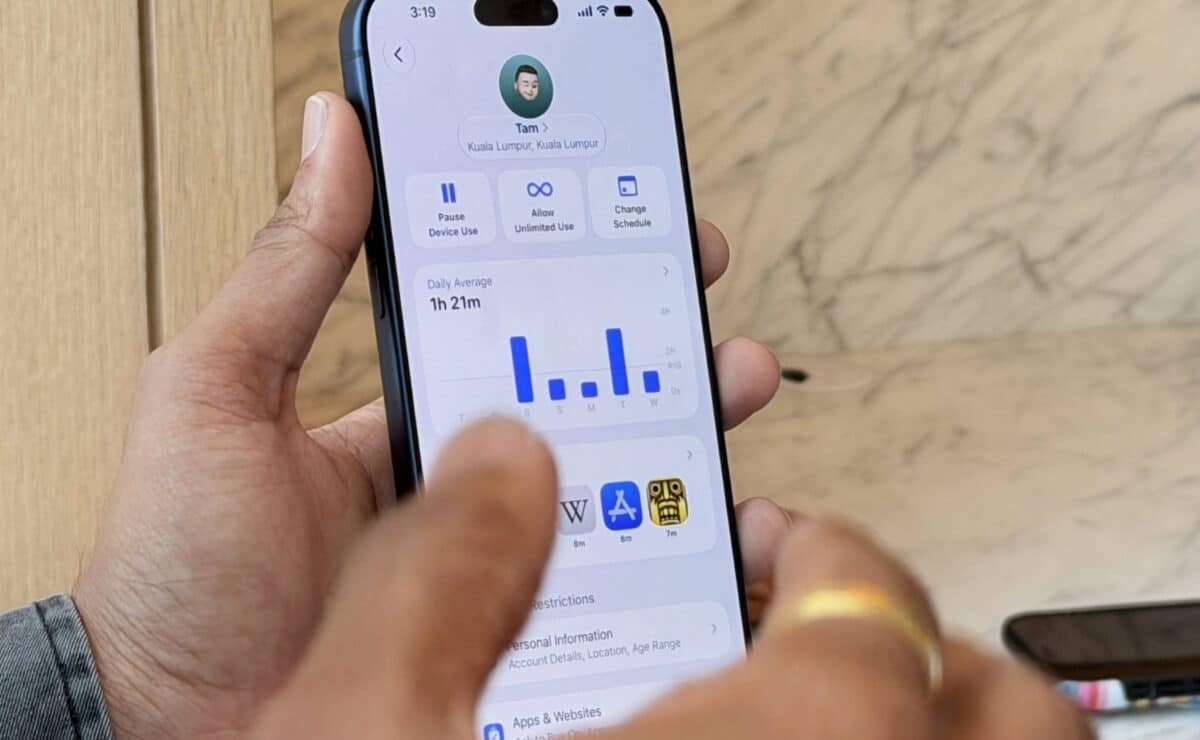
The most frustrating part is that all of these social media platforms have some form of parental controls. They’re definitely not 100% perfect, and yes, platforms do share some blame, but I honestly feel the sense of agency is removed from us as parents when blanket bans are implemented.
Schools need to train teachers better
Although it is true that parents are the first line of defense for policing their child’s online activities, schools do bear a huge responsibility in how a child’s online identity is proliferated. As someone who has written commentaries on emerging technologies for the past twenty years, there are some familiar narratives in basic online etiquette and cybersecurity that tend to be overlooked. Gaps exist in keeping children safe online. Let me give you two anecdotes.
I recently got a Google sign in notification on my phone for an email address my younger son uses saying that it was attempting to log into a Windows PC. I messaged everyone in our household group chat asking if anyone did this but apparently no one did. It was only later on that my youngest told me that his teacher told him he could sign into GMail in the classroom computer, which was a huge cybersecurity risk by itself. As you may already know, once authorized, platforms like Meta and Google can already prompt you to save login information on the browser level, giving anyone access to Google or Meta historical data. It was a good thing I had several layers of 2FA enabled so I denied the login.
The second example involves us parenting our eldest to not have a Facebook account since he was still a minor. Lo and behold one day he told me that he needed to create one because it would be used as a chat group with the entire class on Messenger with the teacher. I remember at that time many parents were against this idea because it would open up a can of worms – a Meta account can serve as an innocent gateway into the full Facebook and Instagram experience. But what about Messenger Kids, you might ask? See, that’s the thing – the Kids version of Messenger prevents you from adding people into chats.
Until it is no longer our problem
These two examples outline a huge gap in what government policy wants to achieve versus what is happening on the ground. The very same groups that want to protect our children also do not understand the nuances that come with the teaching practice and reality. I’m very sure that teachers are not aware of the consequences of these seemingly innocent actions.
At the end of the day, the child safety act is a ten steps back measure. It assumes a hyperfocused society in helicopter-parenting kids so they don’t succumb to the “evils” of social media. That is until they turn legal, and now they can wash their hands saying “their job is done.”