





Opinion: Who was I choosing on the character select screen?


Who was I choosing on the character select screen?
Like many women I know, I spent a good part of my childhood on Earth trying to be likable. I slumped in my seat like a sullen eleven-year-old, a bucket of fries resting heavily on my lap, and wondered how I had ended up at my childhood friend’s house, ready to play Tekken on her Xbox.
The character selection screen flickered to life. Rows of heroes appeared: armored warriors, battle-scarred soldiers, mysterious rogues. Then there was her, the woman. An impossibly slim waist, exaggerated curves, and armor that seemed more decorative than protective. On paper, she was powerful. On screen, the camera lingered longer on her than anyone else.
Throughout my childhood, the desire to perform and be accepted followed me like a shadow. It seeped even into choosing a character for a game the one that “felt like me.” But what became my basis for choosing them? Their pretty faces? Their remarkable fashion? Slim waists? Or their lore? What did it mean, really, that I was here, making choices about who I wanted to embody in a game? Almost six minutes passed before I burst into laughter, and the next couple of hours were spent lost in the game with two friends.
So here’s the question I’m posing: Are these characters genuinely empowering, or are they still shaped by male-dominated narratives?
From damsels to “strong female leads”
For decades, video games have sexualized female characters, discouraging female audiences from engaging fully with the medium. Women are often represented as multifaceted pillars of society, resilient, strong but in games, they are frequently sidekicks, rewards, or visually appealing designs without narrative depth. Their outfits reveal more skin than male counterparts, and their bodies are sculpted to impossible proportions. Even when they are strong, they are still meant to be looked at.
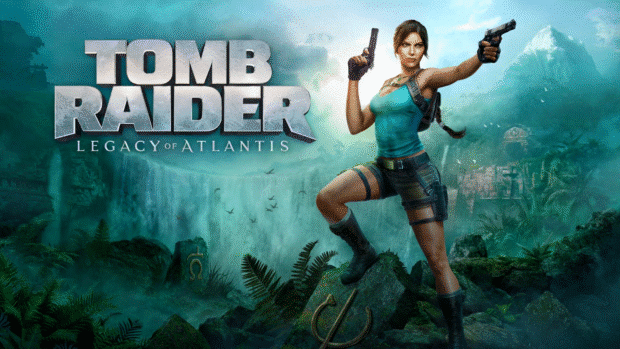
Gaming boasts icons like Lara Croft and Samus Aran, women who lead their own stories and shape entire franchises. Yet their histories also reveal how the industry once viewed female heroes: powerful, yes, but designed largely through a lens catering to male players.
The rise of the “strong female lead” trope represents a form of literary feminism, but it often villainizes femininity in the name of strength. Can we relate to her on anything other than her physical characteristics? Game developers must focus on crafting female characters with nuance, ensuring depth in personality and story, not just in appearance.
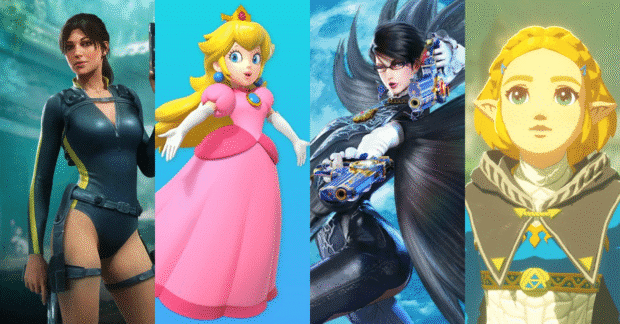
Classical narratives in gaming often follow the “damsel in distress” pattern. Characters like Princess Peach in Super Mario Bros. or Princess Zelda in The Legend of Zelda motivate the male hero’s journey rather than shaping the story themselves. Scholars note that early game storytelling mirrored broader media patterns, positioning women as passive figures rather than protagonists.
Female characters must evolve to reflect the agency women have gained in the real world. Thinking about how many characters are built from the male fantasy, I sometimes wonder if I’m the “cream puff” audience easily entertained by visual appeal rather than substance. It surprises me when people describe characters like Samus Aran as “strong female characters.” Maybe the problem is semantic.
When strength isn’t meant to look like her
As that eleven-year-old girl, my definition of “strong” was someone physically masculine. Today, I believe strong female characters are interesting and complex. They’re not just background props for men’s heroism, they have agency. Yet, many still equate “strong” with coldness, taciturnity, or cruelty. These traits may feel realistic but are hardly representative of women’s multifaceted humanity.
When I first saw Lara Croft, she became one of the most recognizable protagonists in my mind. Fearless, intelligent, independent traits rarely granted to female characters at the time. A question emerged: Is Lara ever placed in a position of vulnerability, or is she consistently the hero who saves others? When kidnapped, she freed herself, but not without pain. Though she suffered, was hunted, and faced brutal attacks, she never required rescue. Even in moments where killing was necessary to survive, she remained the driving force of her own narrative.
Yet “strong women characters” remain a canard. Lara Croft may embody empowerment, but her character was written through a male perspective, shaped to appeal to male fantasies. Marketing campaigns emphasized her exaggerated body and sexualized image, packaging her as both icon and spectacle.
These expectations tolerate little vulnerability, anxiety, or melancholy traits that make characters human. In contrast, male protagonists rarely face scrutiny for weakness; their imperfections often make them more relatable. The absurdity of the “strong female character” expectation becomes evident when considering the double standard in storytelling.
Consider the hero of Metroid. In the 1980s, she looked like any other action protagonist: silent, armored, presumed male. Players fought aliens and explored tunnels without questioning who was behind the helmet. Then came the reveal: Samus Aran was a woman. The shock wasn’t in drama, it was in challenging assumptions. Samus wasn’t a “female version” of a hero; she was simply the hero. Her strength and capability were embodied without gender being the focal point.
Yet even here, contradictions emerged. Faster game completions revealed Samus in increasingly revealing outfits, including the Zero Suit. An empowering reveal became a visual reward underscoring the tension between narrative depth and objectification.
That same push-and-pull between power and objectification takes center stage in Bayonetta, a character whose confidence and control make you question who is really in charge of the camera and of the story.
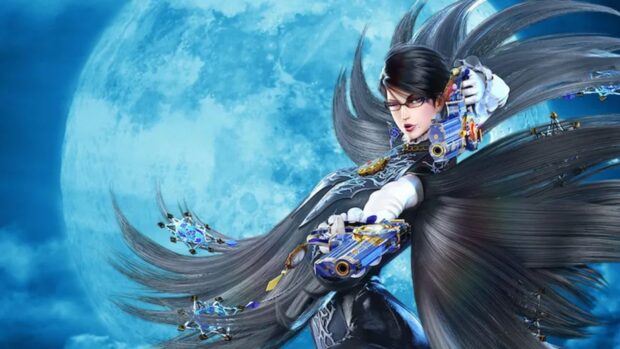
When I first saw Bayonetta, my heart raced. She embodied an ethereal, almost unreal version of what “sexy” looks like, and my first thought was, “God, I want to be her.” Yet it was impossible to ignore how the camera lingered on her body, scanning her from head to toe in ways that seemed meant for someone else’s eyes. I recognized that gaze the same one I’ve sometimes felt on the street, sizing me up as if I were an object.
And yet, despite the spectacle, Bayonetta moves through her world with confidence, wit, and complete control. She flips, shoots, and taunts her enemies in a way that feels wholly hers, reclaiming the attention the camera demands. She doesn’t just exist to be looked at; she performs, resists, and owns her power. I’ve always seen her as a dominant superheroine, wielding sexuality and power with unapologetic agency. What drew me in wasn’t just her appearance, it was the way she commands her world, turning what could have been mere display into performance, confidence, and undeniable presence.
Bayonetta isn’t the perfect model of empowerment, and she’s certainly not the only face of women’s strength in gaming. Her sexualized design and over-the-top theatrics can feel extreme, even alienating. But what makes her remarkable is her agency: she drives her story, commands her powers, and refuses to be framed solely by anyone else’s expectations.
She reminds us that empowerment can be messy, performative, and unconventional; strength doesn’t always mean modesty or realism. In this way, Bayonetta is a stepping stone, a bold, complicated figure who both reflects and challenges the patterns of objectification that have long dominated games.
Gaming worlds do more than entertain; they shape how we see power and possibility. When female characters have depth and agency, even amid spectacle, they don’t just tell stories they expand who belongs in these spaces. From Samus breaking assumptions to Lara Croft redefining heroism, and Bayonetta owning her power, these characters prove that women can be central, complex, and commanding. The future of gaming won’t just be about bigger worlds it will be about who gets to be the hero.
Who gets to be the hero?
I know that not every female character was designed to diminish women. Many were intended as protagonists, capable and strong. But marketing, promotional art, and industry trends often emphasized appearance over ability. Strength, intelligence, and leadership existed in the narrative, but visual design frequently overshadowed it.
This tension between empowerment and objectification has shaped gaming history. Some characters became icons of strength while still carrying elements of the male gaze. Others challenged expectations, focusing on agency over spectacle. Examining major franchises reveals how this balance has evolved and continues to be negotiated.
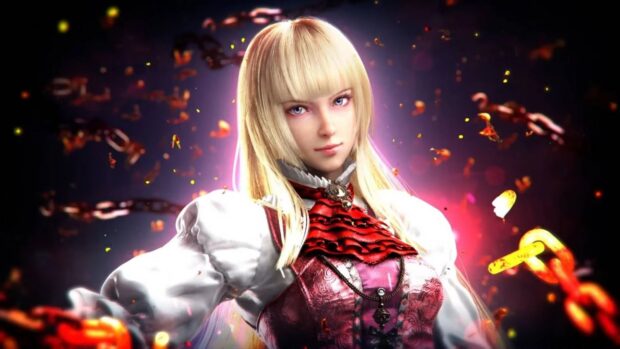
Returning to the eleven-year-old me, laughing with friends while choosing Lily in Tekken, these moments signaled that women belong in these worlds both as players and as characters. Representation validates experiences, inspires confidence, and makes gaming spaces feel inclusive. Without it, the message is clear: these worlds are “for men.”
Even today, women navigating gaming communities face harassment, gatekeeping, and persistent stereotypes. Representation isn’t just about characters, it’s about who gets to claim space in culture itself. Some female characters are strong on paper yet crafted for visual appeal. Others wield narrative agency but remain constrained by marketable feminism. The line between genuine representation and spectacle is often blurry.
The worlds we play in influence our sense of power, identity, and possibility. When women are written with real agency, they reshape the story and, in turn, the culture around it. Gaming’s next frontier isn’t just bigger or more detailed worlds it’s about who is recognized as the hero within them. (By Rich Longakit, INQUIRER.net Intern)


