





BIR Digital TIN ID now available in the eGovPH app


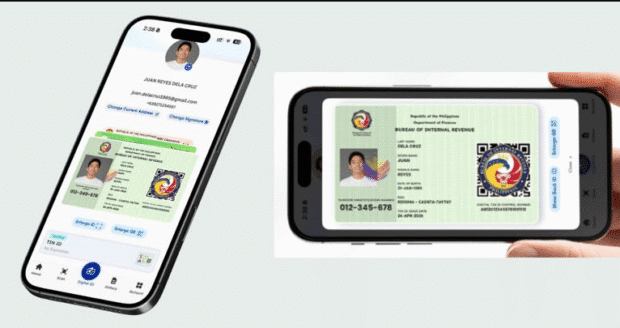
The Bureau of Internal Revenue (BIR) has officially brought the Taxpayer Identification Number (TIN) into the digital age, integrating it into the eGovPH mobile application to streamline government transactions for Filipinos.
In an announcement on Tuesday, April 28, the tax bureau confirmed that the digital version of the TIN ID is now accessible via the government’s “super app,” a move aimed at enhancing ease of doing business and eliminating the need for physical card queues.
The Digital Shift
The initiative is a collaborative effort between the BIR and the Department of Information and Communications Technology (DICT). By hosting the ID within the eGovPH ecosystem, the government hopes to provide a secure, centralized mobile ID wallet for citizens.
According to the BIR, the transition to digital IDs is part of a broader push for digitalization that began in earnest with the 2023 launch of the Online Registration and Update System (ORUS). The ORUS platform was specifically designed to curb the proliferation of fixers and scammers who illicitly sell TIN numbers online.
How to Access Your Digital TIN ID
Taxpayers looking to secure their digital credentials can follow these steps:
- Download the App: The eGovPH app is available on both the Google Play Store and the Apple App Store.
- Registration: Create an account by providing accurate personal details.
- Identity Verification: The app requires facial recognition to verify the user’s identity against government records.
- Security Login: Access the account using a registered mobile number or email, followed by a One-Time Password (OTP) and a six-digit MPIN.
- Access the Wallet: Navigate to the “Digital ID” icon located at the bottom of the home screen.
- Retrieve the ID: Select the BIR digital TIN ID for viewing.
Important Prerequisites
The bureau reminded the public that the digital ID will only be accessible if the information provided in the eGovPH profile matches the taxpayer’s existing records.
Furthermore, users must have an existing digital TIN ID record within the ORUS database. Unlike traditional identification cards, these digital IDs do not require a physical signature, as their authenticity can be verified instantly by scanning a QR code with a smartphone camera.


