





Iloilo installs ‘Cooling Hubs’ amid summer heat


CEBU CITY, Philippines — Amid the increasingly hotter summer heat, Iloilo City installed multiple ‘Cooling Hubs’ across their city on Wednesday, May 6, 2026.
The newly-installed cooling hubs across Iloilo City serve as temporary shelter amid rising temperatures during the peak summer hours. The hubs also come with water dispensers for visitors to get drinkable water while resting.
Additionally, designated personnel from the Iloilo City Health Office are stationed at these cooling hubs to monitor the visitors, offering Blood Pressure checkup if needed.
RELATED STORY: DOST-PAGASA reveals new weather stations in Iloilo
To use these cooling hubs, people simply have to register and get an assessment after which they can relax and cool down.
The hubs are open to the public from 10 a.m. to 4 p.m. and can only cater up to 20 people at a time.
Iloilo’s new cooling hubs are located along the Diversion Road in Mandurriao and near Jalandoni Bridge in Iloilo City Proper. A third one is also being installed at the Plazoleta Gay, Iloilo City Proper.
Although the cooling hub initiative may seem modest, Iloilo City Mayor Raisa Treñas said it reflects the local government’s sincere and wholehearted commitment to caring for their people.
“This is a small and simple initiative, our purpose in caring, complete and honest for the Ilonggo people,” Mayor Treñas said in Ilonggo.
Besides the city’s own cooling hubs, Mayor Treñas also revealed that she will be meeting with private establishments that are keen on establishing their own cooling hubs. In light of that, the city will also offer help with the design.
Cooling for an Increasingly Hotter Climate
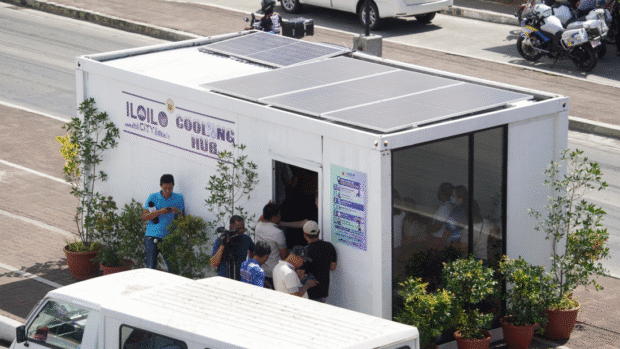
Equipped with solar panels and air conditioning units, the cooling hubs were built with sustainability in mind using refurbished office materials and eco boards made from recycled plastic waste.
Iloilo’s new cooling hubs are just one of the climate solutions being implemented and bannered across the country in light of the rising summer temperature.
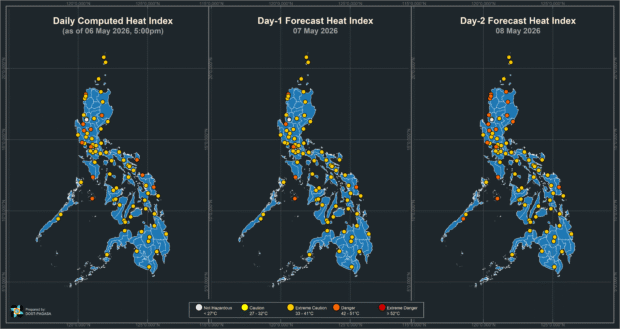
In Metro Manila, Light Rail Transit 2 (LRT-2) stations have set up passenger cooling rooms since May 4, 2026. These LRT-2 cooling rooms operate from 9 a.m. to 4 p.m.
Meanwhile, as previously reported here in Tech INQ, Filipino scientist Filemon Uriarte Jr. advocated for “passive cooling” solutions to reduce the country’s electricity demand and greenhouse gas emissions.
In a nutshell, passive cooling uses building design and natural airflow instead of air-conditioning to keep spaces cool. Passive cooling techniques include:
- Strategic planting of trees and vegetation
- Reflective or low-emissivity paints
- Cool roof coatings
- Solar films on windows
- Outdoor roller blinds
While cooling hubs and passive cooling systems may not completely solve the country’s growing heat problem, initiatives like these illustrate how cities across the country can respond proactively and compassionately to climate-related challenges.


