





Facebook exposing children to online threats, EU survey says


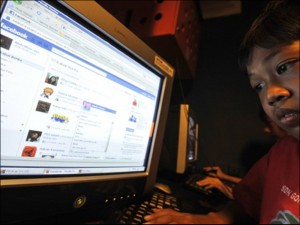
BRUSSELS – Social networking sites such as Facebook are not doing enough to protect children from potential dangers such as grooming by paedophiles or online bullying, European authorities said Tuesday.
Of 14 websites tested on behalf of the European Commission, just two — Bebo and MySpace — ensure the required controls to make sure “potential strangers” cannot gain access to profiles.
“I am disappointed that most social networking sites are failing to ensure that minors’ profiles are accessible only to their approved contacts by default,” said European Commission vice president Neelie Kroes in a statement.
The authorities in Brussels say the number of minors who use the Internet and subscribe to social networking sites is growing — currently 77 percent of children aged 13-16 and 38 percent of those aged 9-12.
Kroes said she will urge online social networking site owners to make the changes in a “self-regulatory framework” under discussion.
“This is not only to protect minors from unwanted contacts but also to protect their online reputation. Youngsters do not fully understand the consequences of disclosing too much of their personal lives online,” she said.
Of particular concern is the practice of tagging people in pictures, which increases the risk for teenagers of “grooming and cyber-bullying”, the EU executive said.
Facebook is already in the line of fire of European privacy regulators over its facial recognition technology, which suggests names for people in newly uploaded photographs on the site used by 600 million people.
The tests, carried out over two months around the turn of year, covered the following websites: Arto, Bebo, Facebook, Giovani.it, Hyves, Myspace, Nasza-klaza.pl, Netlog, One.lt, Rate.ee, SchulerVZ, IRC Galleria, Tuenti and Zap.lu.
The commission welcomed the fact that 12 of the sites make it impossible to find a child’s profile through search engines such as Yahoo! and Google, an improvement from six sites two years ago.
The commission said nine more sites that have also signed up to a self-regulating code will be tested later this year.
An EU survey earlier this year said little more than half of children aged 11-12 knew how to change privacy settings.


