





Alex Valdez, Filipino developer of Sepak U, shares his journey with the upcoming game


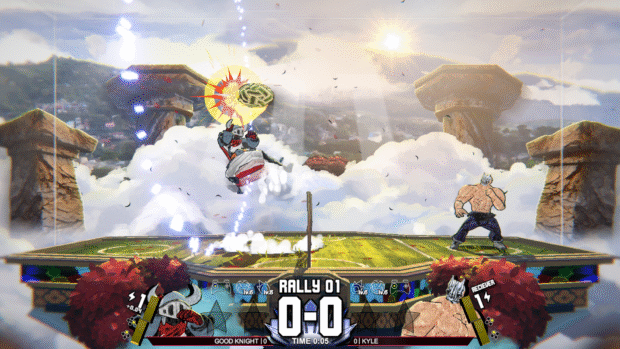
Sepak U, a Super Smash Bros inspired game with Volleyball elements, is already creating buzz around the Fighting Game Community (FGC). The game is an over-the-top high octane fighting experience based around sepak takraw, a Southeast Asian team game about keeping a ball of rattan or plastic from hitting the ground. Combine that with fighting game elements and we have a game that’s worth keeping an eye on. While the game doesn’t currently have Early Access, it has been featured sporadically at FGC events. We got to talk Alex Valdez, one of the developers of the game.
Tell us a little something about yourself and Good Knight Collective
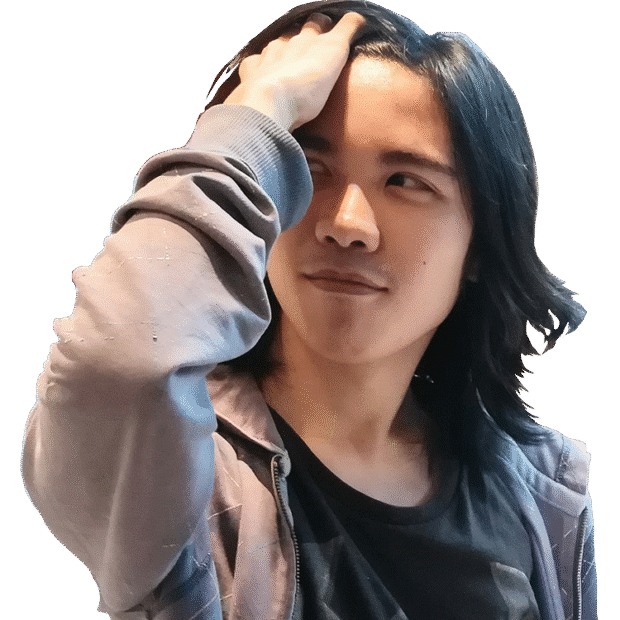
I’m Alex E. Valdez, co-founder of Good Knight Collective. I’ve worked across multiple genres as a game developer, and I’ve always been deeply involved in communities, whether that’s game development, esports, cosplay, or grassroots gaming scenes like Splatoon, Smash, and fighting games.
More than anything, I value the people behind the games. I’ve always been drawn to grassroots communities and local events, even when working with larger organizations like TESDA, DOST, DTI, DICT, and the Baguio LGU. During the pandemic, a big part of my work was focused on collaborating and supporting different Philippine gaming communities.
I’ve been fortunate to receive recognition like the first People’s Choice Award at PGDX and multiple Game On and DOST awards, but the focus has always been on building and contributing to communities.
Good Knight Collective itself is a group of artists and friends who help each other create games. I handle most of the development, often building projects solo or alongside collaborators. It was founded by myself and Zaid Al-shaheed (Skeletal Raven), coming from Team Good Knight.
Our tagline is simple: “we do the shit.”
How did you personally get into video games and eventually game development?
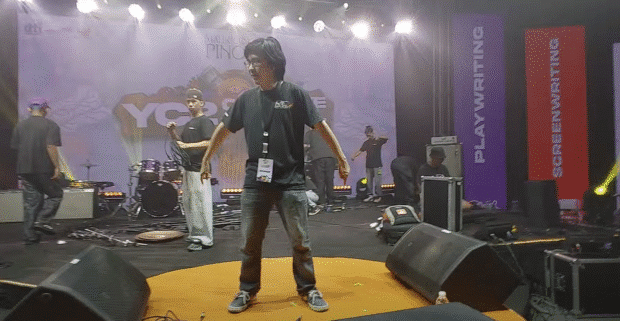
I’m currently based in Baguio, but I grew up in the province. I started coding at a young age, partly because our PC couldn’t handle newer games. That pushed me toward older titles, mostly PS1-era and below, which shaped a lot of my early taste.
At the same time, I got into animation, drawing, photography, and anime. Over time, all of that blended together. Coding wasn’t separate from creativity for me, it was just another way to build things.
Apart from Smash, what are your biggest influences as a gamer and developer?
Sakurai is my biggest influence. I grew up with Kirby, Kid Icarus, Meteos, and of course Smash.
More recently, I’ve been revisiting Cave Story, which continues to influence how I think about game design. On the competitive side, I lean heavily into fighting games, especially Melty Blood and Dragon Ball FighterZ, which is probably my most played game.
What part of Sepak U are you most proud of?
The community, easily. Especially the fighting game community this time.
I actually avoided making esports or fighting games for a long time. As a competitor and organizer, I know how hard it is to get players to invest in something new outside their main game.
With Sepak U, I felt that pressure. I knew I had to meet expectations from people who take competitive games seriously. That’s why I focused on positioning it not as a replacement, but as something you can play “pang alis ng suya” from your main game.
At the same time, I made sure there’s real depth. Once players get into it, there’s enough there to keep improving, labbing, and competing. That balance is what I’m happiest with right now.
You mentioned FGC personalities are enjoying Sepak U. Any notable reactions so far?
Most of the feedback is consistent. They like the depth and how the game addresses issues they have with current fighting games.
They’ve pointed out things like better onboarding for tournaments, strong non-competitive modes, and a system that doesn’t hold back on skill ceiling. A lot of them say it feels like it was made by someone who actually plays and organizes.
What I like hearing most is when they start talking about finding mains, labbing, and theorycrafting. That’s when I know the game is doing what it’s supposed to do.
Are you a fan of Haikyuu? With volleyball and anime, it’s hard not to mention this goated series. Did it influence Sepak U?
I haven’t watched Haikyuu!! yet, but it’s definitely on my list.
I’m a big fan of battle shonen and sports anime in general, and that heavily influences how I approach games and animation. You can already see that in my earlier projects like Keyboard Warrior RPG.
For Sepak U, I’ve been studying sports anime more directly. Ashita no Joe, Blue Lock, The Prince of Tennis, and even Yu-Gi-Oh! all play a role.
I’m especially drawn to those dramatic moments, the “I’ve got this” followed by an unexpected counter. That kind of back-and-forth is something I made sure to build into Sepak U, especially through ultimates.
Dream voice actors? And I saw your interaction with Su Ling Chan on X?
I’ll keep that part a secret for now.
What I can say is I like working with communities, and with the traction Sepak U is getting in Southeast Asia, I’m hoping to collaborate with creators, voice actors, and players across the region.
When can we expect to play Sepak U next? What are your esports goals?
There are upcoming events, including PGDX, and more announcements soon.
For a wider release, it’ll take time since funding is still a limitation. The goal is to roll out demos, test netcode, and work with community organizers globally.
For esports, I’m not focused on big leagues or prize pools. What I want is a long-lasting, grassroots scene. A game people keep playing even without constant updates.
If it ends up with a community like Smash, where people continue to organize, compete, and create content on their own, that’s already a success.
Any advice for aspiring game developers?
Just start making games.
Use whatever tools you have, Unity, Unreal, GameMaker, even just pen and paper. A lot of development doesn’t even require opening your engine. You can plan systems, write dialogue, and design ideas anywhere, even on your phone.
The important part is starting and continuing.


