





UP Sea Cucumber study wins 2026 Environmental Science award


MANILA, Philippines – A study on sea cucumber biodiversity by a researcher from the University of the Philippines Diliman won the 2026 NAST Environmental Science Award on April 22, recognizing its contribution to marine conservation and fishery management in the country.
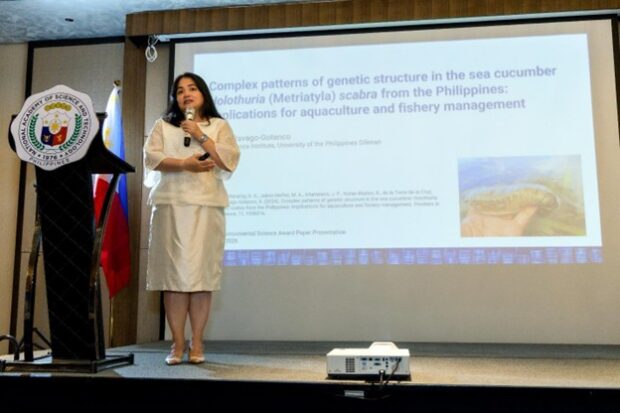
The award was given to Dr. Rachel June Ravago-Gotanco of the UP Marine Science Institute during ceremonies held by the National Academy of Science and Technology Philippines.
She received a plaque of recognition, a cash prize of P150,000, and a P2 million research grant from the Department of Science and Technology, pending approval of her proposal.
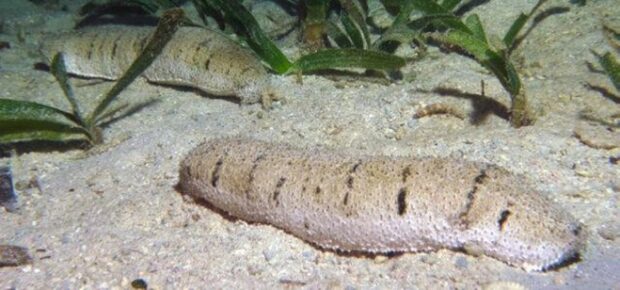
Her winning study focused on the genetic diversity of Holothuria scabra, also known as sandfish, one of the most valuable sea cucumber species in the Philippines. The research used DNA sequencing to analyze samples collected across the Philippine archipelago.
According to Ravago-Gotanco, the findings can help identify distinct management units for sea cucumber populations. This can support more effective policies for aquaculture, fishery management, and conservation programs.
Why the Study Matters
Sea cucumbers are often overlooked marine animals, but they play a vital role in maintaining healthy coastal ecosystems. They are sometimes called the “earthworms of the sea” because they process sediments, helping improve water quality and keep seabeds clean.
The study provides important scientific data that can help prevent overfishing and population decline. With proper management, communities that depend on sea cucumber fisheries may benefit from more sustainable harvests and stable income sources.
Its findings can also strengthen aquaculture programs by identifying genetically suitable stocks for breeding. This may help increase production while reducing pressure on wild populations.
By protecting sea cucumbers, other marine ecosystems such as coral reefs and seagrass beds are also protected, since these environments are interconnected and depend on balanced ecological systems.
“Protecting the sea cucumbers—not just [the] sandfish and in general, marine organisms that have a vital role in maintaining sediment and water quality, means protecting also the environmental benefits they provide. The loss of sea cucumbers also impacts the ecosystem, services they provide,” Dr. Ravago-Gotanco said. (By Rich Longakit, INQUIRER.net Intern)


