





UPLB uses genomics to develop better ube varieties


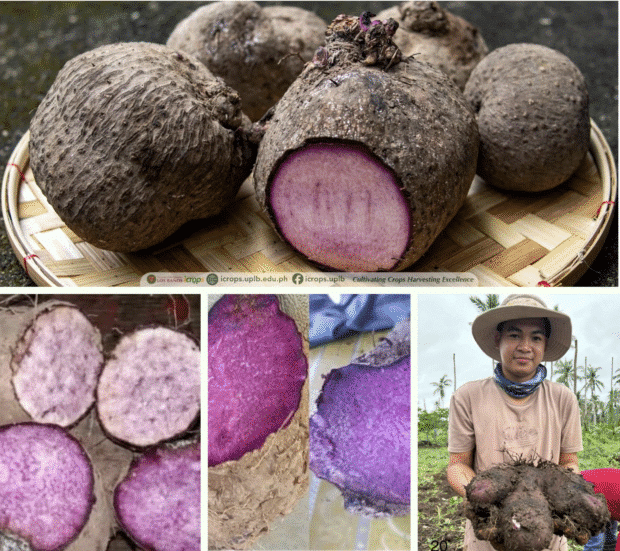
MANILA, Philippines — Researchers from the University of the Philippines Los Baños (UPLB) are developing improved purple yam or “ube” varieties with higher yields, richer purple flesh color, and enhanced nutritional quality in a bid to boost farm productivity and strengthen the country’s growing yam industry.
The project, led by Dr. Antonio G. Lalusin of the Institute of Crop Science (ICropS) at the UPLB College of Agriculture and Food Science (CAFS), combines conventional breeding, biotechnology, and genomics to produce superior greater yam (Dioscorea alata L.) planting materials for Filipino farmers.
“Purple yam is a high-value crop with strong market demand locally and internationally. However, production is still limited due to the scarcity of improved planting materials,” the research team said.
“Through this project, we aim not only to develop superior varieties but also to ensure their rapid multiplication and distribution to farmers,” the researchers said.
Greater yam is one of the Philippines’ most important root crops, valued for its distinctive flavor, vibrant purple color, and high antioxidant content. Despite its economic and cultural significance, researchers said production remains constrained by the limited availability of improved planting materials and the continued use of low-yielding traditional varieties.
The project aims to identify and develop yam accessions with desirable traits, including high yield, high dry matter content, resistance to pests and diseases, and elevated levels of anthocyanins and antioxidants. Researchers said these characteristics are crucial to improving both farm productivity and the nutritional quality of yam-based products.
The ongoing work builds on an earlier phase of the project that evaluated 188 greater yam accessions collected from across the Philippines using morphological and molecular analyses. The study found high genetic diversity among the collected materials, highlighting strong potential for genetic improvement and future variety development.
From the germplasm collection, researchers selected several promising accessions based on deep purple flesh color, favorable tuber shape, and superior yield performance. Some accessions also exhibited high anthocyanin content, a trait associated with antioxidant properties and growing consumer demand for healthier and more functional food products.
To further expand genetic variability, selected yam accessions are being subjected to chemical mutagenesis, while elite lines are undergoing whole-genome sequencing. Among the varieties being studied is the widely cultivated “Kinampay,” one of the country’s most recognized purple yam cultivars.

Researchers said the genomic information generated through the project would provide valuable tools for more precise breeding and trait selection.
The initiative also includes the propagation and mass multiplication of elite planting materials to ensure that improved varieties become readily available to farmers. Promising genotypes identified through field evaluations and genomic analyses are being multiplied through propagation and other vegetative techniques to accelerate distribution and support future varietal releases.
According to the research team, integrating advanced breeding technologies with rapid propagation strategies is critical to bridging the gap between laboratory research and field adoption.
The project is expected to contribute to the sustainable development of the Philippine yam industry by providing farmers with improved planting materials while generating scientific data that could support conservation efforts and future breeding programs.
Beyond the farming sector, researchers said the initiative could benefit food processors, students, researchers, and other stakeholders in the root crop value chain. The availability of improved purple yam varieties could create new opportunities for food processing, export markets, and value-added products such as baked goods, snacks, and health-oriented foods.
Greater yam remains deeply embedded in Filipino culture, particularly in traditional delicacies and emerging food innovations. Researchers expressed optimism that continued investments in breeding, genomics, and propagation technologies would help revitalize the ube industry and improve its competitiveness in both local and international markets.
The project is funded by the Department of Agriculture-Bureau of Agricultural Research.
RELATED STORY: Global ube boom highlights problems for Filipino farmers


