





How Philippine creators leverage AI on CapCut


I just got back from CapCut World Singapore, the first-ever event of its kind. It was a gathering of creators and industry stakeholders who all have one thing in common: they create, edit, and some even make money using CapCut. The Singapore leg is CapCut World’s first stop, with two more destinations set for the United States and the United Kingdom.
At the conference, I was able to sit down and talk to creators, agency owners, and academics – an unlikely gathering of kindred spirits who shared their thoughts on AI use, the future of creation, and what really defines art in this day and age.
Grounded on the fundamentals
At the theoretical end of the spectrum, I met Yolec Homecillo—an educator of 15 years in the animation program at De La Salle College of Saint Benilde. I say theoretical because he is formally trained in the arts. But he is also a comic book author and CapCut effect creator behind assets like “seamless blur” and “ink bleed.” He advocates for a theory-first approach: Homecillo emphasizes that creators must ground themselves in classical cinematography, composition theory, and foundational art principles before navigating modern vertical or new media formats.
View this post on Instagram
For Homecillo, AI is fundamentally a technological tool that streamlines workflows, whereas art is defined strictly by the creator’s personal process and subjective human experience (phenomenology). Consequently, he refrains from using AI in his original artworks. He encourages emerging creators to exercise discernment by separating commercial work (where tools fulfill business efficiency demands) from personal artistic fulfillment (where human identity must be preserved).
AI as a “me” multiplier
On the other side, independent filmmakers like Vee Camallere view AI as a democratic equalizer for narrative expression. AI functions as a workflow accelerator. By adopting tools such as Edit Pilot, Camallere transitions from time-intensive manual editing to streamlined content creation.
There is an insight that traditional filmmaking often excludes talented creators due to substantial budget and equipment constraints. AI allows creation to begin simply with “just one idea”. By conversing with an AI agent, a creator can expand even a 5-second prompt into a complete visual short film, enabling independent storytellers to share their narratives with global audiences. In her presentation, she was able to showcase a workflow where AI helped her build a storyboard, script, setting, and 3D models for her characters that can persist in a serialized drama.
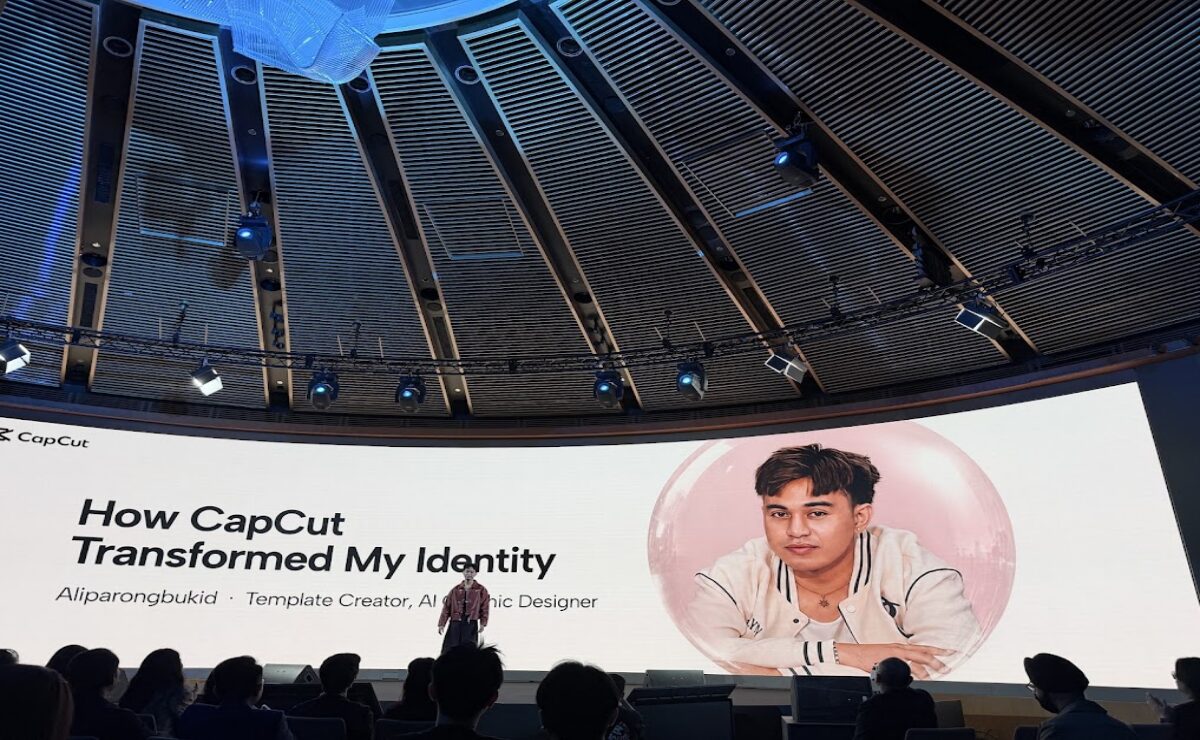
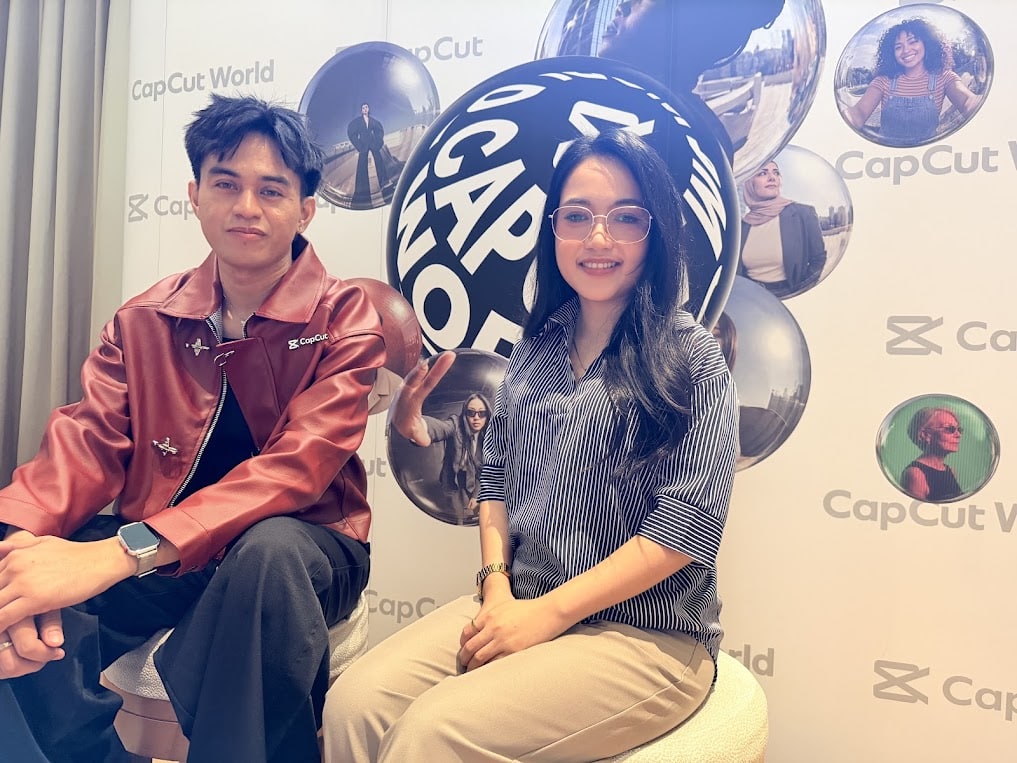
Van Allen Aliparo aka “Aliparongbukid”, another creator who represented the Philippines at CapCut World in Singapore, never dreamed he could collaborate with big brands and foreign artists who made use of his templates when he went full-time as a template creator. CapCut has become more than just an editing tool, but a global platform where over 400,000 templates are created every day. These templates can be used by anyone in the platform – such as Aliparongbukid’s ‘Dilaw’ template that was used by local artist Maki and helped push downloads.
The road forward for creativity
Ultimately, Philippine creators demonstrate that AI on CapCut serves neither as a total replacement for human skill nor as a mere novelty. Whether used to accelerate commercial templates, democratize film production, or highlight the importance of classical art theory, AI functions best as an enhancing co-pilot. By combining foundational principles with active technological research, creators can leverage AI’s efficiency while keeping human story and process at the center of their work.
At CapCut World Singapore, parent company Bytedance announced the debut of the TikTok Awards for local and regional creators will be coming soon. They also announced upcoming new AI features that will be available on the CapCut platform for both free and paid tiers.


