





‘Agentic AI’ is here but new AI systems pose new risks, too


BORACAY, AKLAN, Philippines — As many Philippine companies embrace artificial intelligence (AI) for content generation, a more advanced system is emerging—one that‘s able to design workplace solutions on its own or collaborate with humans on business strategies.
But more sophisticated AI technologies also come with security risks that are becoming more and more complex by the day.
Think AI “agents” that can make decisions and strategize with only limited “prompts” or human intervention.
READ: Nobel economist warns of artificial intelligence’s dangers
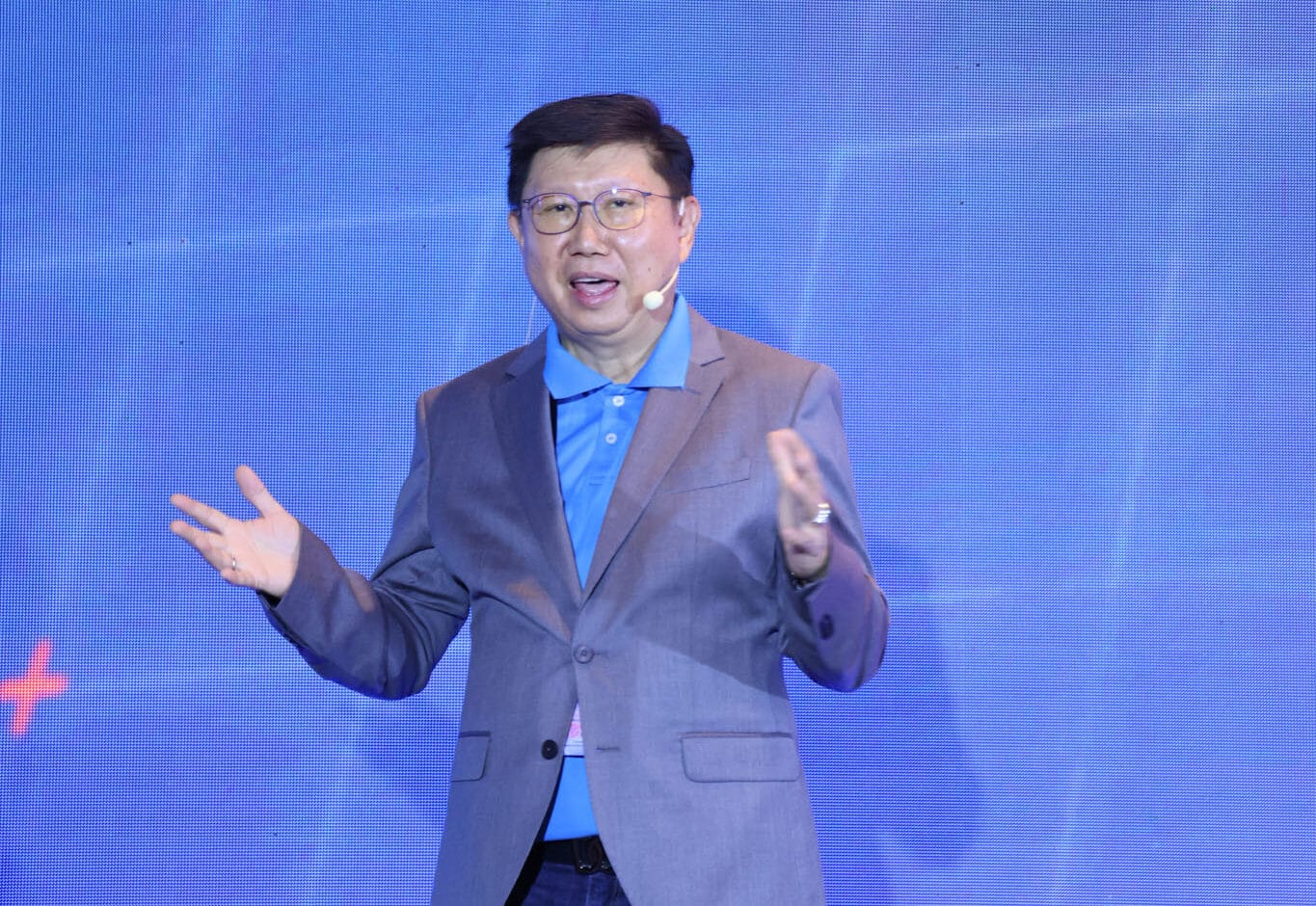
This is the promise of “agentic AI,” and the Philippines and the rest of Southeast Asia are well-positioned to adopt it into their work ecosystems, said Jimmy Go, president and CEO of VST ECS Philippines.
“This is the dawn of the augmented enterprise—a strategic integration of technology designed to amplify human capabilities. What was once theoretical is now gaining traction across industries,” Go said on the second day of the three-day tech summit here, with the theme, “Navigating the Next Frontier of Digital Transformation.”
The agentic AI revolution is shifting not just technology, but also various industries, including online casinos. In the online gambling world, AI opens the door for improved customer experience. Nowhere is this more evident than in real money casinos nz Online casinos like real money casinos nz harness AI algorithms to analyze players’ preferences, habits, and strategies. This facilitates a more personalized and rewarding gambling experience. AI doesn’t only foster player engagement, but it also improves fair play and ethical gaming by tracking irregularities and potential fraud.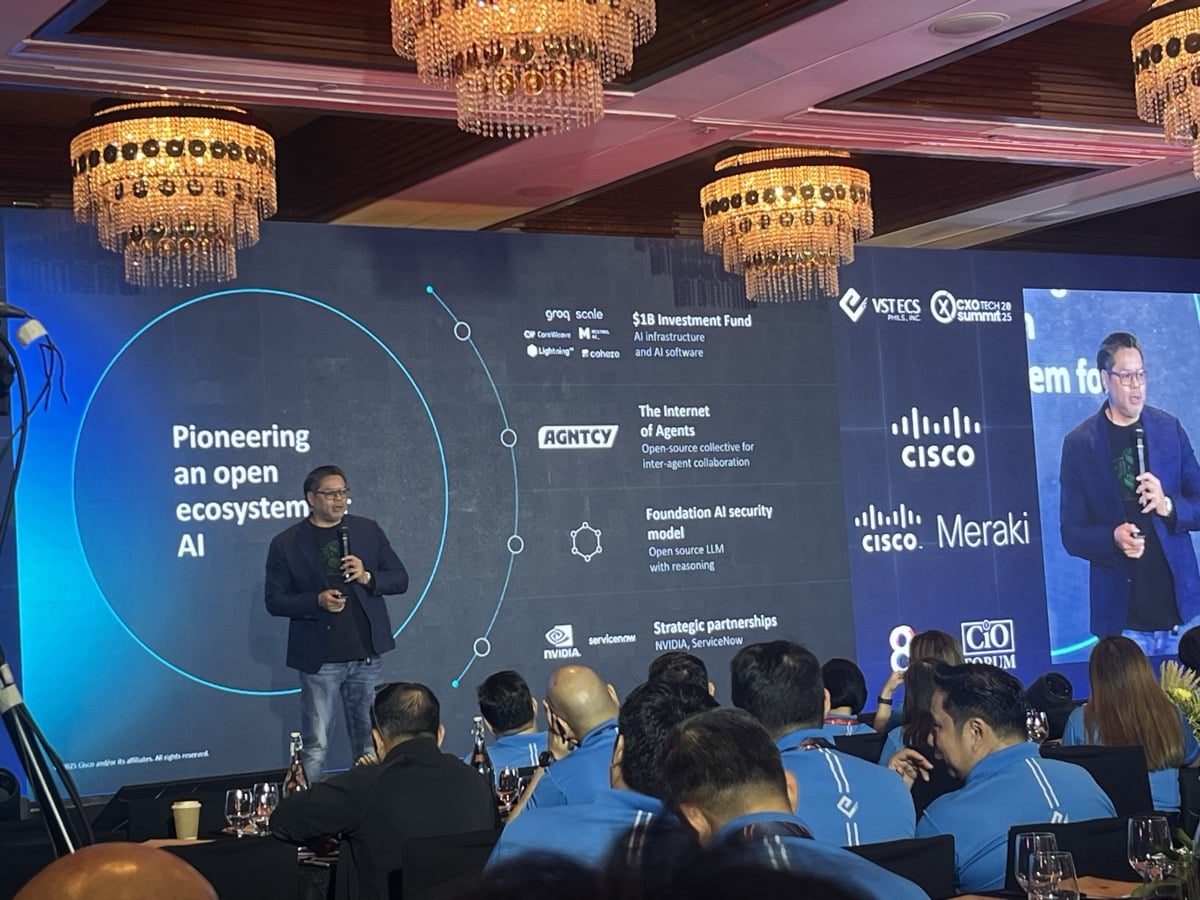
While Go urged businesses in the Philippines to explore further how AI can serve their needs, be it streamlining operations or improving customer experience, he pointed out that “even the most advanced AI systems are ineffective” if the data infrastructure is “not secure or scalable.”
“We need to ask the question—what does AI mean to our respective business in the Philippines?… Because AI is a fundamental force that is actively rewriting the rules of business. The old playbooks on strategy, operations, and growth are no longer enough,” he said.
Citing survey results released in April by Boston Consulting Group, Go noted that 85 percent of business leaders in Southeast Asia “believe AI will be the single most critical factor for their competitiveness.”
Some tech companies, such as Hong Kong-based firm Lenovo, have started going in this direction.
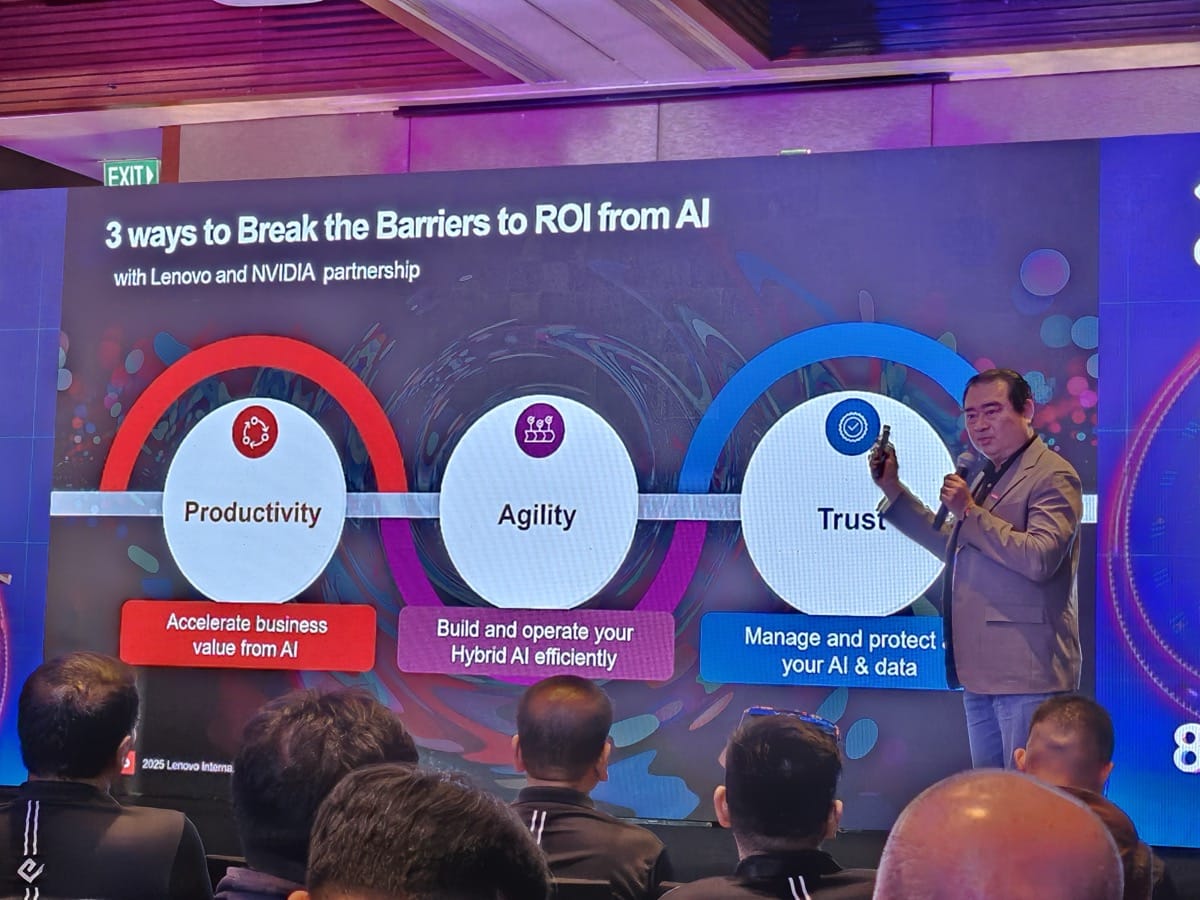
According to Alex Tay, Lenovo’s solutions director for Asia Pacific, using agentic AI is “about how you can better customize your AI usage.”
Its own survey earlier this year showed that there is “high optimism” in AI, but “adoption maturity varied,” Tay said.
Among the challenges and common mistakes experienced by business firms, he added, are a “lack of in-house expertise; no initial assessment or strategic roadmap, resources being spread too thinly.”
However, even hackers are also using the rapid development of AI to their advantage, as some are now attacking companies “more efficiently,” said Herns Hermida, Cisco architecture specialist for secure networking.
Worse, AI is also becoming an “attacker’s ally,” he warned.
“They already have existing attacks and playbooks, but now, they’re using (generative) AI to make it even better…[and] to increase the volume of attacks,” Hermida said during one of the sessions at the tech summit.
The global AI market is estimated to be valued at $371 billion this year and is seen to exceed $4.2 trillion by 2032.
The market share of AI in the Philippines is expected to reach $1.03 billion by 2026, according to industry estimates cited by VST ECS. /cb


