





5 reasons the POCO X8 Series is a smart pick for 2026


At the beginning of the year I went on record to say that 2026 should be a year of discernment when it comes to buying a new phone. With the “AI tax” on the price of RAM and other components affecting overall tech pricing, we were expecting around a 30% increase in the price of smartphones.
This has happened in several cases but with the early bird pricing of the POCO X8 series, this may be a good chance to bag a great deal on a mid-range device.
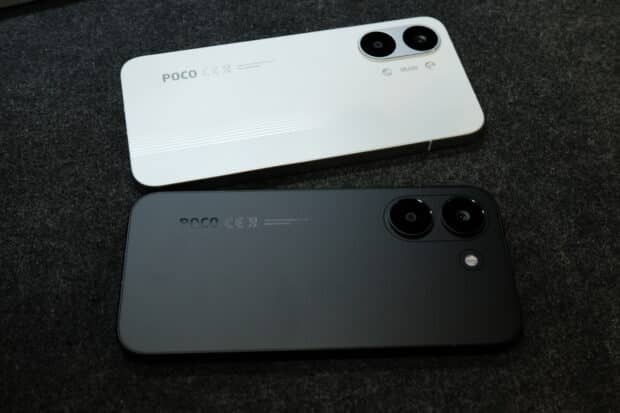
The POCO X8 series just landed in the Philippines — the Pro, the Pro Max, and an Iron Man Edition. Here’s 5 reasons why this series is an affirmative smart choice for the midrange market upgrade.
1. The phone is a powerbank
The X8 Pro Max has an 8500mAh battery, the largest POCO has ever shipped. Most flagships in 2026 still sit around 5000-6000mAh, which means nightly charging. The Pro Max is built for two-day battery life: an entire weekend outing without the charging anxiety.
The X8 Pro gets a 6500mAh silicon-carbon battery, still above average. Both support 100W wired charging and 27W reverse charging. POCO claims the battery retains over 80% capacity after 1600 charge cycles, roughly six years of use. That’s longer than most people keep a phone.
2. Better chipset, better cooling
The X8 Pro Max debuts MediaTek’s Dimensity 9500s chipset (3nm process, over 3 million AnTuTu score). The X8 Pro uses the Dimensity 8500-Ultra, scoring 16% higher than its predecessor.
If you’re allergic to benchmark tests, sustained performance might be a better path to judge this series. Both models use POCO’s LiquidCool system to keep temperatures manageable. The Pro Max has a 5800mm² cooling area with a 3D bulge over the chipset; the Pro uses a dual-layer 5300mm² setup.
WildBoost Optimization predicts frame demand during gaming and adjusts resources to prevent frame drops. Because they’re essentially gaming phones, both units support hardware-level ray tracing in supported games like Diablo Immortal — better lighting, more realistic reflections.
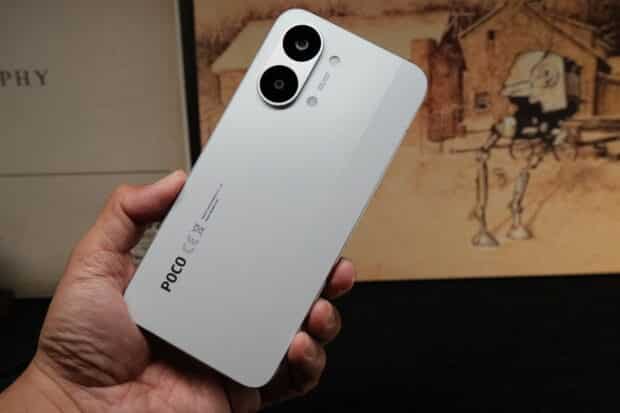
3. Displays built for outdoor use and late-night scrolling
Both phones have 120Hz AMOLED displays with up to 3500 nits peak brightness across 25% of the screen. That brightness number is what makes the phone usable in direct sunlight without draining the battery.
For night use, both models support 3840Hz PWM dimming and triple TUV Rheinland eye-care certifications (low blue light, flicker-free, circadian-friendly). PWM dimming at that frequency reduces eye strain when using the phone at low brightness.
The Pro Max adds an ultrasonic fingerprint sensor, which works faster and more reliably than optical sensors, especially when your fingers are wet.
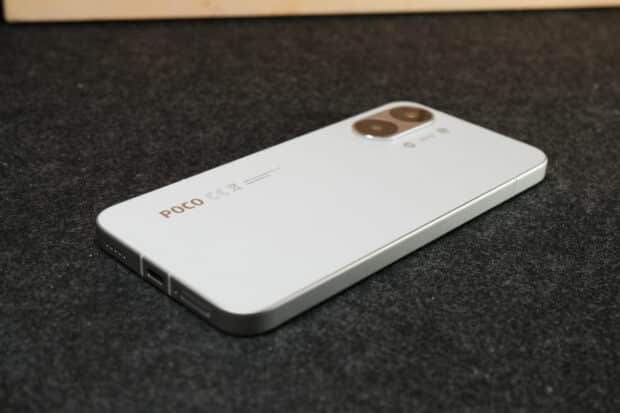
4. Durability beyond the usual IP ratings
Both phones carry IP66, IP68, IP69, and IP69K ratings — dust and water resistance in a range of conditions, including submersion and high-pressure water jets. The Pro Max also passed SGS 5-star Premium Performance Certification for drop, bend, and crush resistance. It’s not indestructible, but it’s built to survive daily abuse.
Both use Corning Gorilla Glass 7i on the front. The Pro Max has a metal frame and fiberglass back; the Pro prioritizes a compact form despite the large battery.
Again, you’re going to want a phone that is built to last the next two to three years due to global supply chain issues. These durability ratings are great insurance.
5. Floored by the local Philippine pricing
The X8 Pro starts at PHP 15,499 (8GB+256GB, early bird pricing). The Pro Max starts at PHP 18,999 (12GB+256GB). The Iron Man Edition is PHP 18,999 (12GB+512GB).
Flagships from Samsung, Apple, and other premium brands in 2026 typically sit in the PHP 40,000-60,000 range for similar specs. POCO’s play has always been flagship performance at mid-range pricing.
The bottom line
The X8 series makes sense if you prioritize endurance, performance, and durability. I’m particularly impressed with the way this series is priced, being not too far apart from the X7 series of 2025, given the movements in global supply chains. As to what magic POCO had to pull out of its hat to get this local pricing, I have yet to find out.


